The Builders We Rarely Notice
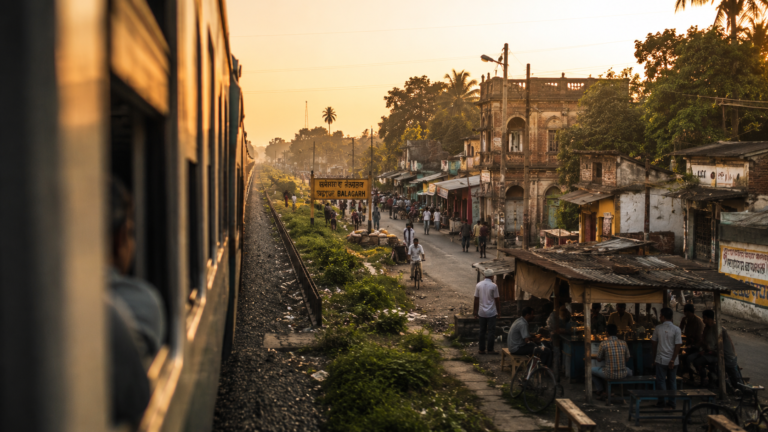
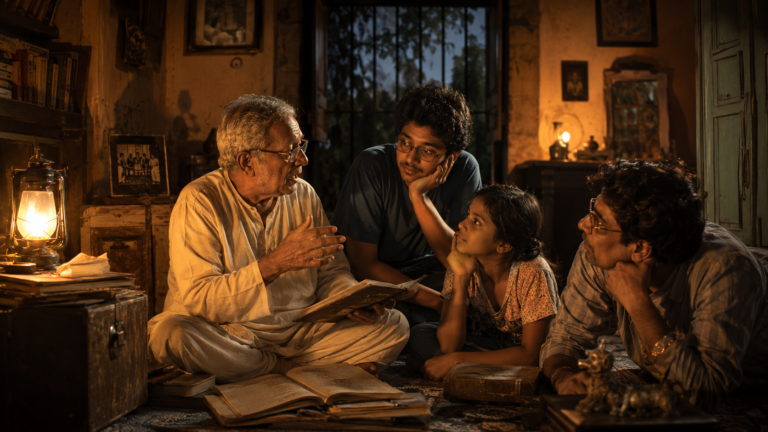
Every thriving neighbourhood, bustling local market, or historic town possesses a distinct rhythm. We recognise the atmosphere of a place almost instinctively. We notice the architecture, the energy of a street, the character of a market, or the traditions that make a community feel unique. What we rarely notice are the people who quietly sustain these things every day. We might visit an old river town and admire its surviving architecture without ever meeting the local historian who spends years preserving its memory. We enjoy the vitality of a morning market without considering the shopkeepers, traders, and suppliers whose routines keep it alive. We celebrate a place for what it is, while overlooking the people who help make it that way.
Modern society has a particular way of recognising success. Our attention is naturally drawn to visible achievements, public recognition, and stories that are easy to measure and share. We celebrate founders, innovators, public figures, and institutions. Yet when we look closely at how places actually function, a different picture emerges. Communities are rarely sustained by visibility alone. They endure because of people who show up every day to build, maintain, organise, teach, repair, preserve, cultivate, and create. Their work is often practical, local, and deeply rooted in place. It rarely attracts widespread attention, but its absence would be immediately felt.
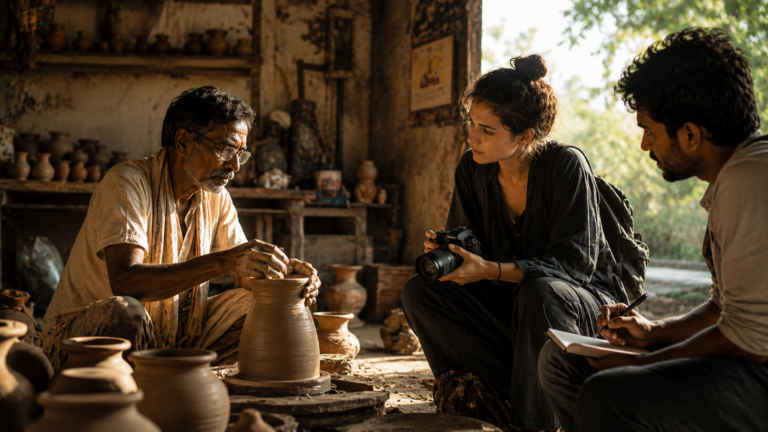
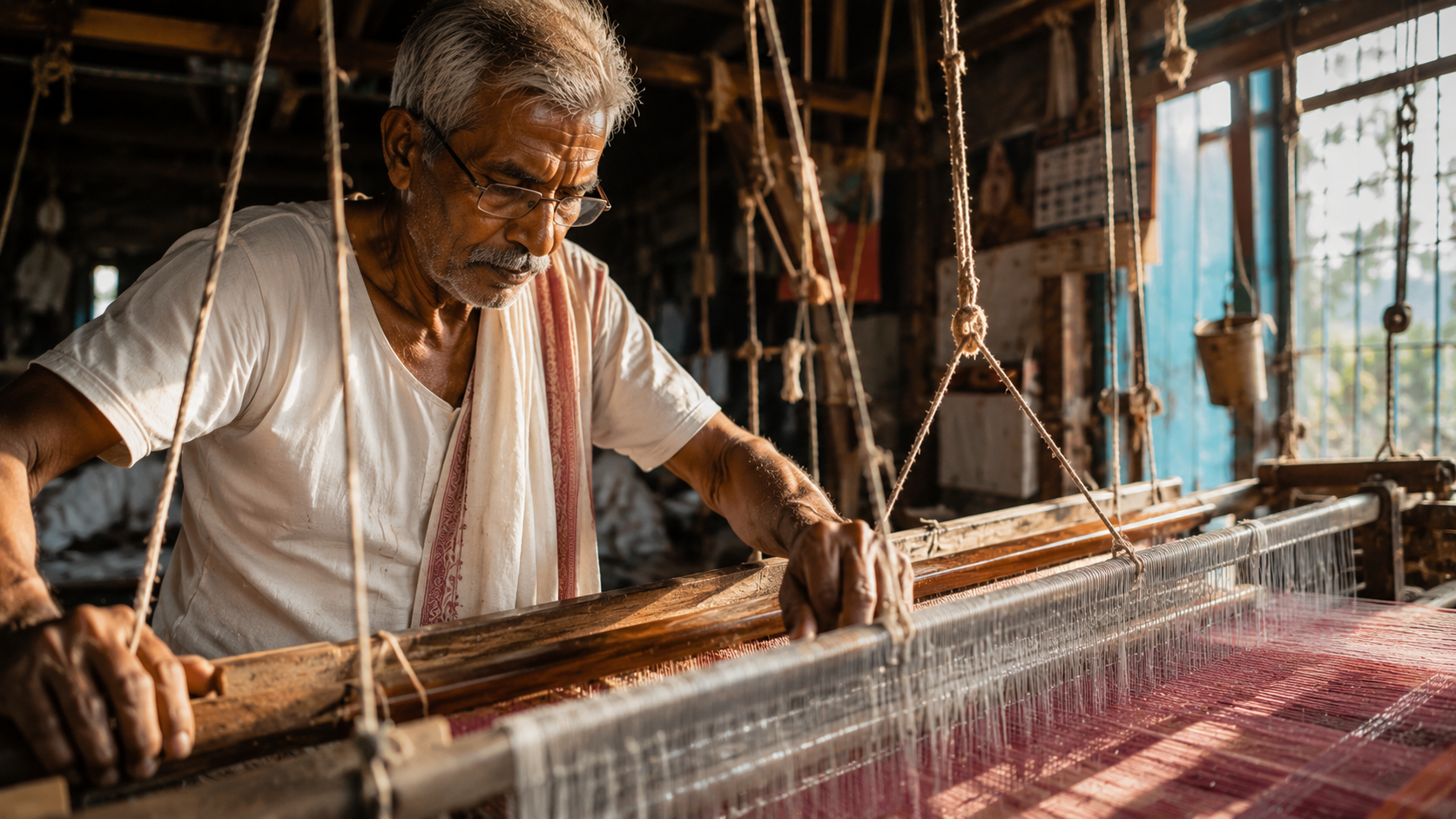
To understand a place, we must first understand the people who shape it. Consider the boat builders working along the banks of the Hooghly in Balagarh. They are not simply preserving a traditional craft. They are adapting designs, managing costs, responding to market demands, and applying generations of accumulated knowledge to a changing world. Their work supports local transport, fishing communities, and livelihoods that depend on the river. In the handloom belts of Phulia, master weavers are engaged in equally complex work. Every piece of fabric reflects technical skill, economic calculation, and years of experience. They are not passive custodians of heritage. They are professionals navigating supply chains, customer preferences, and competitive markets while continuing to produce work of remarkable quality.
These individuals do not merely work within a place. They help define it. A town is shaped not only by its geography or history, but by the people who invest their time, knowledge, and effort into its continuity. Farmers cultivating indigenous crop varieties influence the ecological future of a region. Craftspeople sustain local economies and cultural traditions. Independent publishers, teachers, entrepreneurs, and community organisers create the networks that allow places to remain resilient through change.
Yet many of these contributions remain largely invisible. Part of the reason is that they do not fit comfortably within the stories we most often tell about success. In an age that celebrates scale, speed, and disruption, the work of steady continuation can appear unremarkable. Building something over decades attracts less attention than building something overnight. Preservation rarely generates the same excitement as innovation. Continuity is often mistaken for stagnation. As a result, we frequently consume the outcomes of this work without recognising the expertise behind it. We wear the textiles. We enjoy the food. We benefit from the services. We appreciate the character of a place. But we rarely consider the people whose decisions, skills, and persistence make these experiences possible.
The consequences extend beyond individual recognition. When societies consistently overlook certain forms of contribution, they risk undervaluing the knowledge and skills that sustain them. Younger generations begin to see fewer pathways into local trades, crafts, and community-based professions. The challenge is not always a lack of demand. More often, it is a lack of visibility, validation, and continuity. When a master artisan retires without an apprentice, or when a local institution loses the people who quietly maintained it for decades, something important disappears. The loss may not make headlines, but it alters the character and resilience of a place.
Recognising these builders is not about celebrating them as heroes. Nor is it about romanticising their work. It is about understanding how value is actually created. Meaningful visibility provides context. It helps us see the expertise behind the product, the knowledge behind the tradition, and the effort behind the experience. A farmer experimenting with indigenous crop varieties may find new collaborators. A traditional craftsperson may connect with audiences who value quality over scale. A local entrepreneur may discover that expertise developed in a small town has relevance far beyond it.
Most importantly, recognition affirms that these forms of contribution still matter. The strength of a region does not lie solely in its celebrated figures or its most visible successes. It also resides in the countless people who quietly build, preserve, and sustain the foundations on which communities depend.
We often travel in search of places. Perhaps we should spend more time looking for the people who make those places possible. To truly understand a place, it is not enough to know where it is. We must learn to notice the people quietly shaping what it becomes.
Editor’s Note
This article is part of an ongoing series exploring places, people, culture, and ideas through the lens of discovery, visibility, and opportunity.