Category
Economy & Enterprise
Trade, industry, business, entrepreneurship, work and the economic forces that shaped Bengal.
-
The Factory Was There. The Owners Were Not.
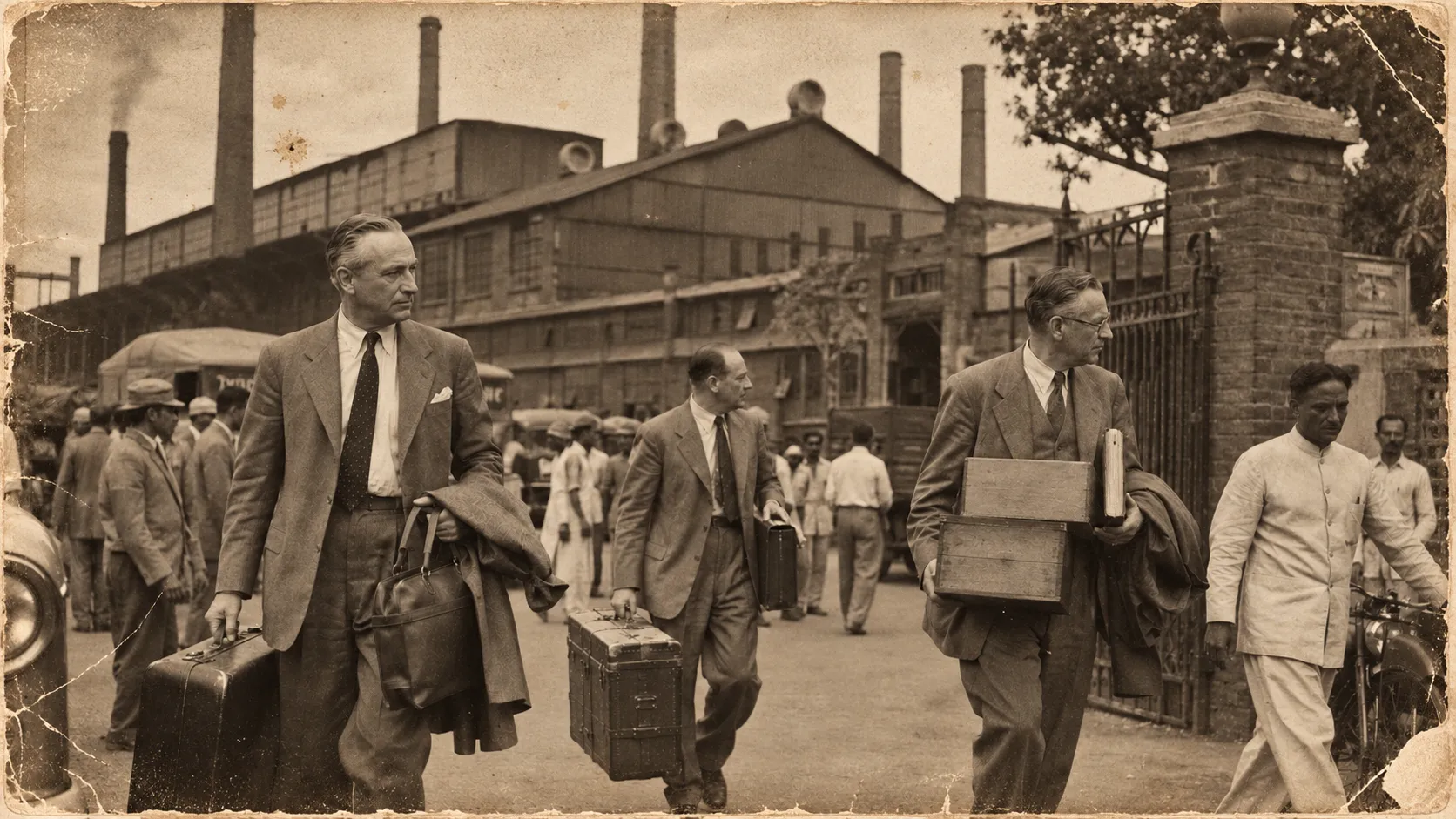
Calcutta had factories, banks, engineers and managers, yet after Independence much of Bengal’s industrial ownership began changing hands. British business houses withdrew, while Bengali professionals often remained employees rather than owners. The story of Bengal’s industrial decline is therefore also a story about capital, commercial networks and a society whose expertise did not always become ownership.
-
The Freight Policy That Changed Bengal’s Industrial Future
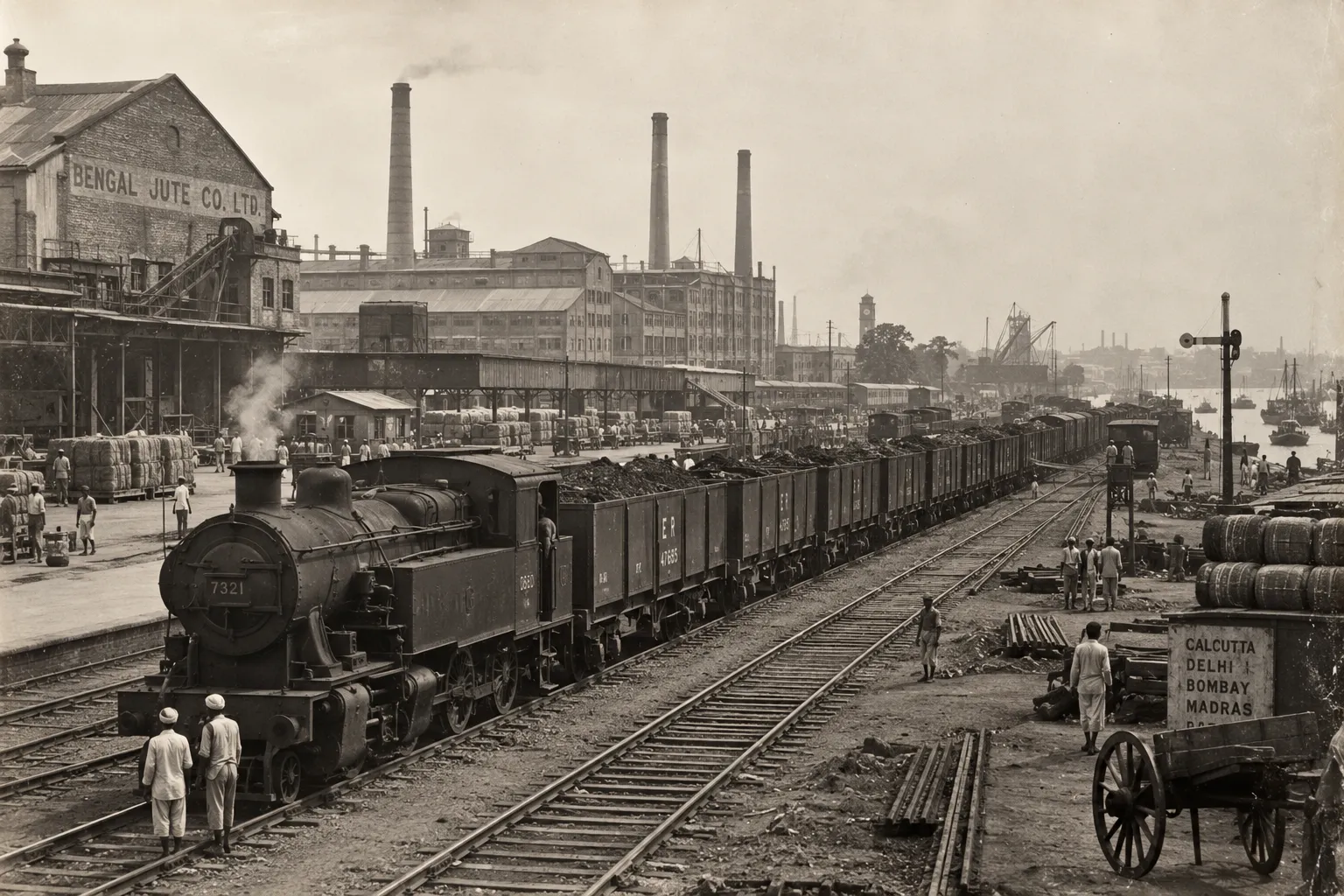
For decades, Bengal’s industrial advantage came partly from geography: coal, iron and steel were relatively close to its factories. In 1952, a national freight policy began equalising the cost of transporting key raw materials across India. The policy encouraged industrialisation elsewhere, but it also weakened one of Bengal’s most important advantages in attracting new factories and investment.
-
When Bengalis Stopped Wanting to Be Merchants
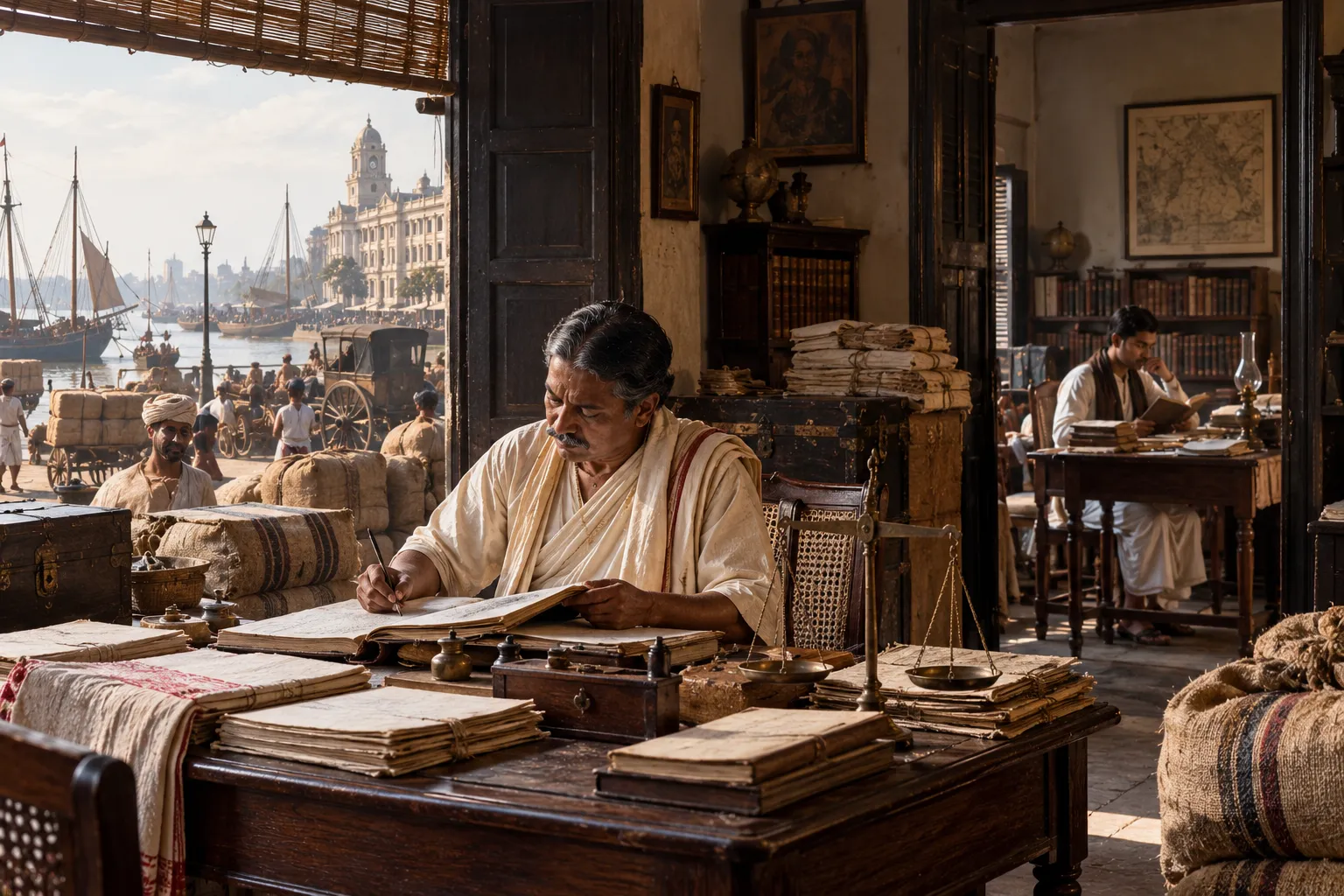
For generations, ambitious Bengali families increasingly saw education, professional employment and secure salaries as safer routes to status than commerce. The change did not make Bengalis incapable of business; it changed what success meant. From the Permanent Settlement and the rise of the bhadralok to the post-1947 transfer of industrial ownership, Bengal’s economic history was shaped by a culture of ambition.
-
When Calcutta Lost Its Companies
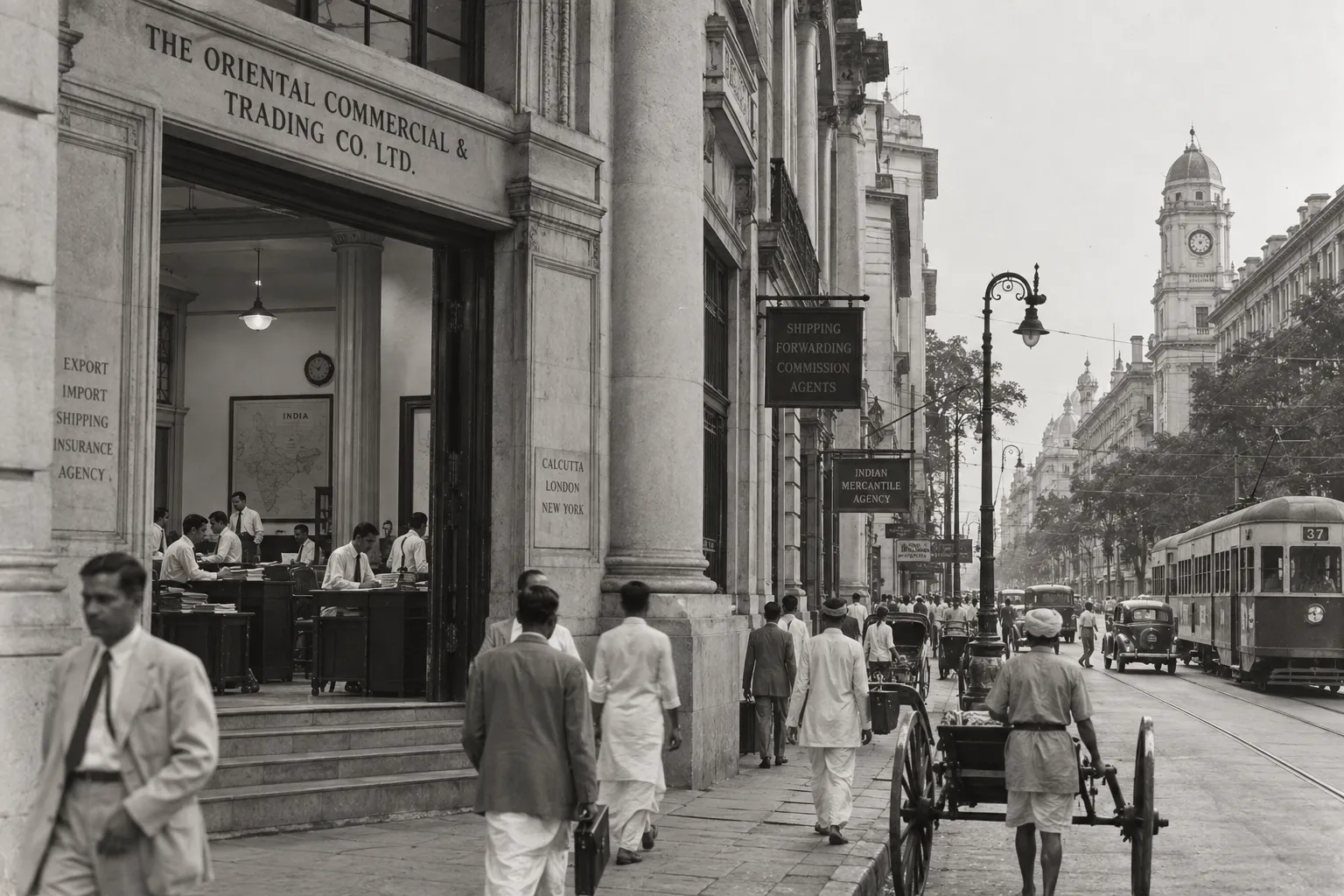
Calcutta was once one of British India’s great corporate command centres, where managing agencies directed businesses ranging from jute and tea to coal and shipping. After Independence, ownership changed, British firms receded, and Indian business groups expanded. The factories did not simply vanish; what gradually weakened was the city’s concentration of corporate power.