All stories
Every published Know Bengal article, newest first — research-based writing on Bengal’s history, economy, people, culture, places and ideas.
-
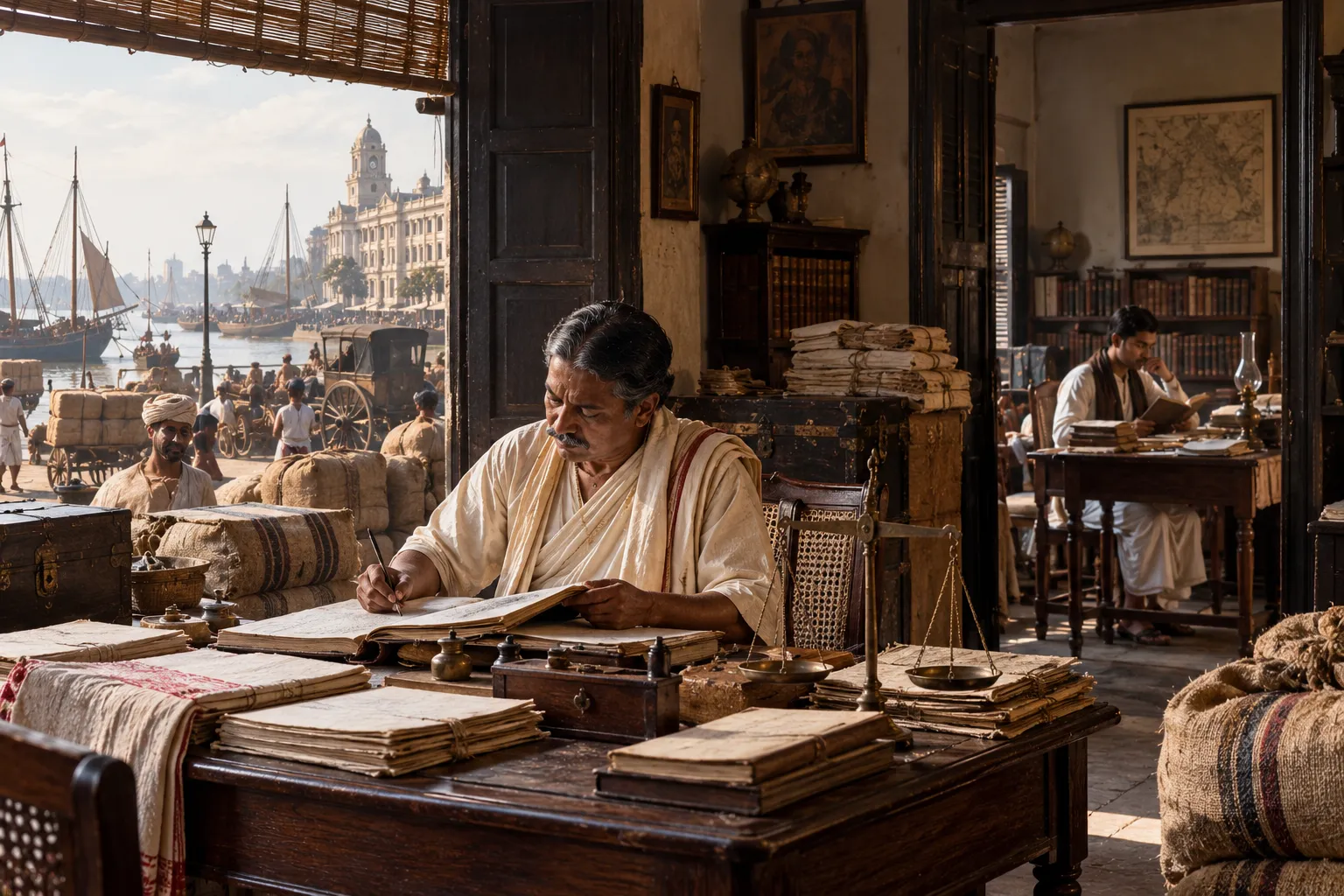
When Bengalis Stopped Wanting to Be Merchants
For generations, ambitious Bengali families increasingly saw education, professional employment and secure salaries as safer routes to status than commerce. The change did not make Bengalis incapable of business; it changed what success meant. From the Permanent Settlement and the rise of the bhadralok to the post-1947 transfer of industrial ownership, Bengal’s economic history was shaped by a culture of ambition.
-
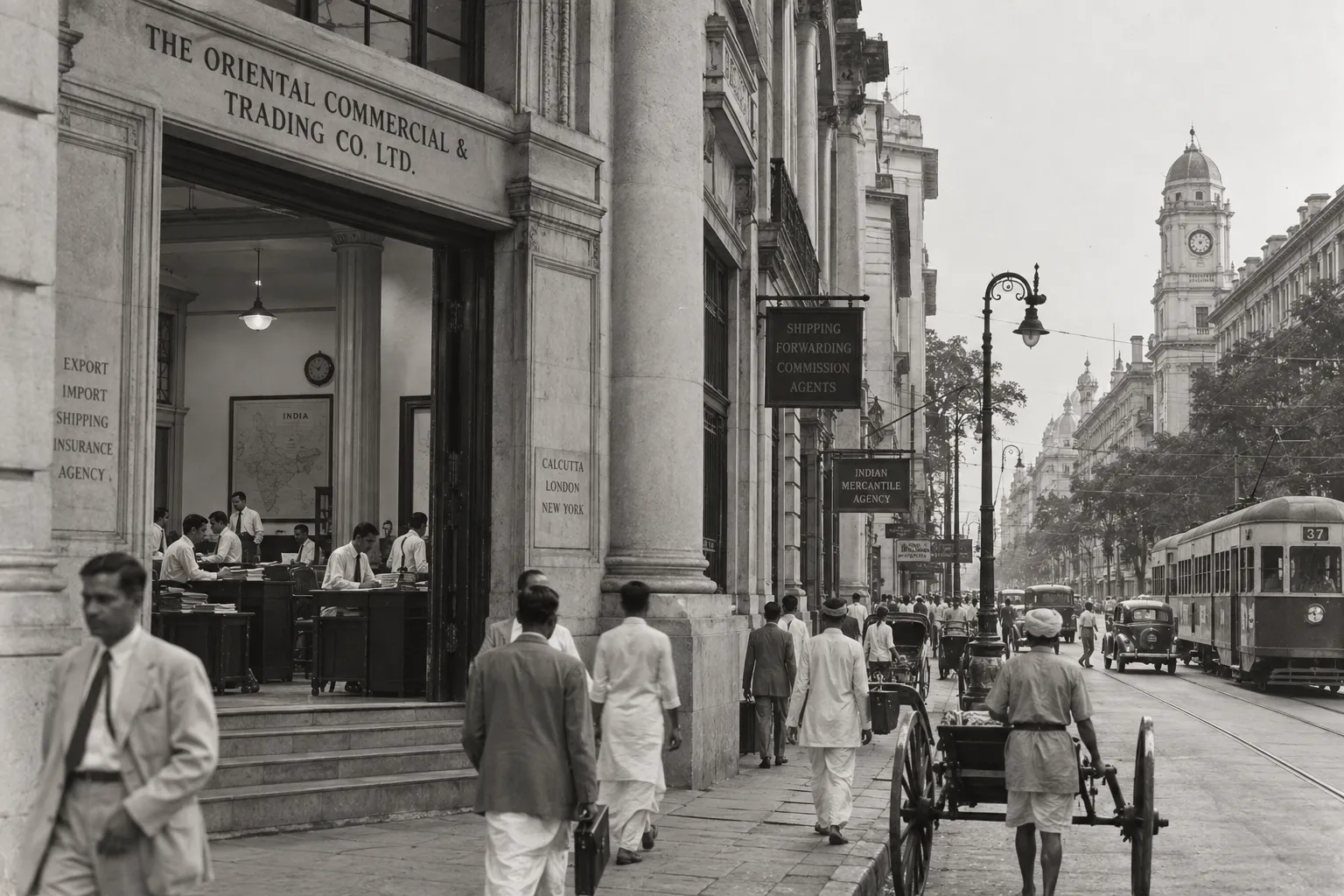
When Calcutta Lost Its Companies
Calcutta was once one of British India’s great corporate command centres, where managing agencies directed businesses ranging from jute and tea to coal and shipping. After Independence, ownership changed, British firms receded, and Indian business groups expanded. The factories did not simply vanish; what gradually weakened was the city’s concentration of corporate power.
-
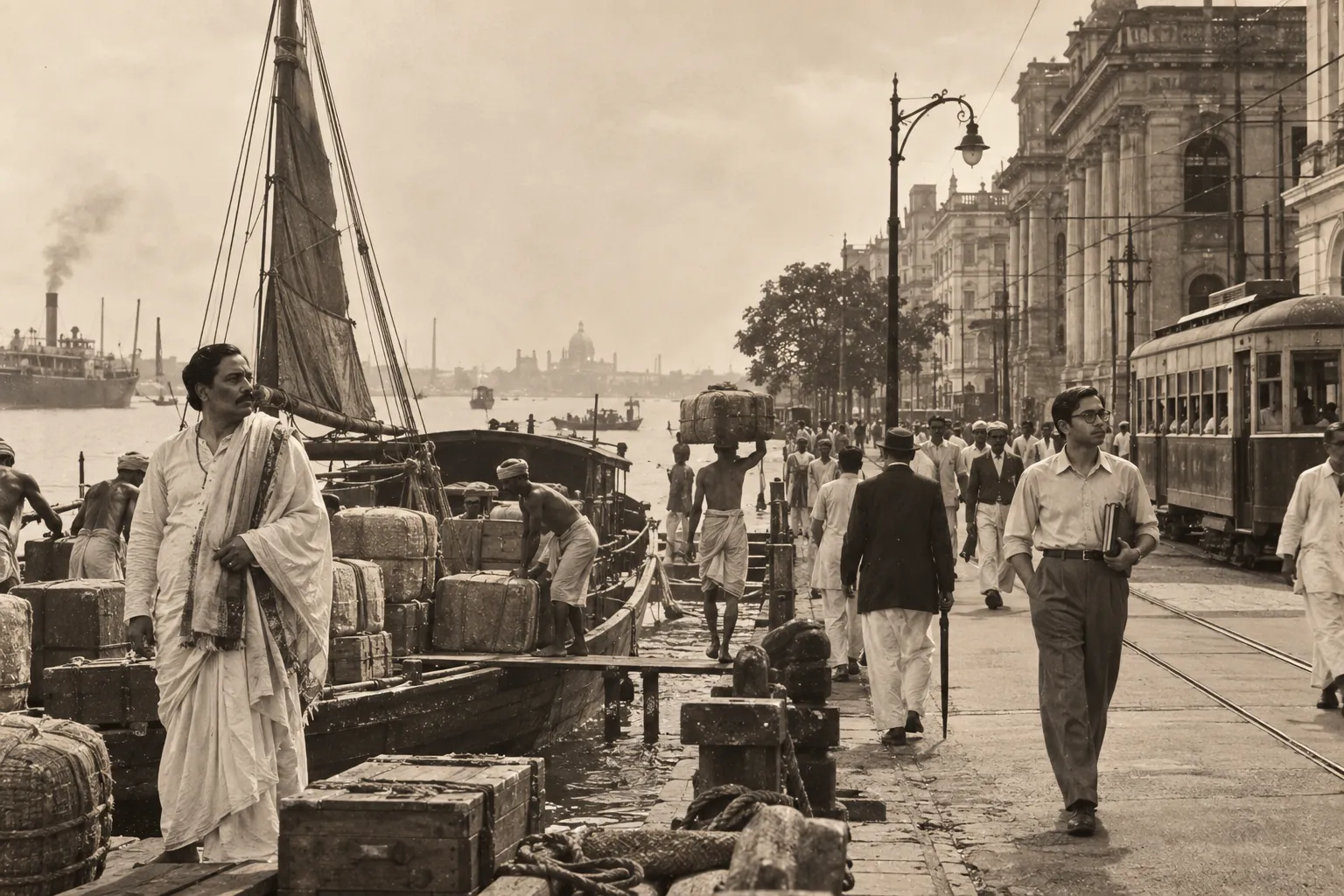
When the Bengali Merchant Disappeared from Bengali Literature
Bengali literature once gave merchants the scale of heroes: they owned ships, crossed seas and built fortunes through risk and adventure. By the twentieth century, the literary imagination had turned towards farmers, zamindars, clerks, professionals, workers and urban families. The merchant did not vanish from Bengal, but he gradually lost his place at the centre of its stories.
-
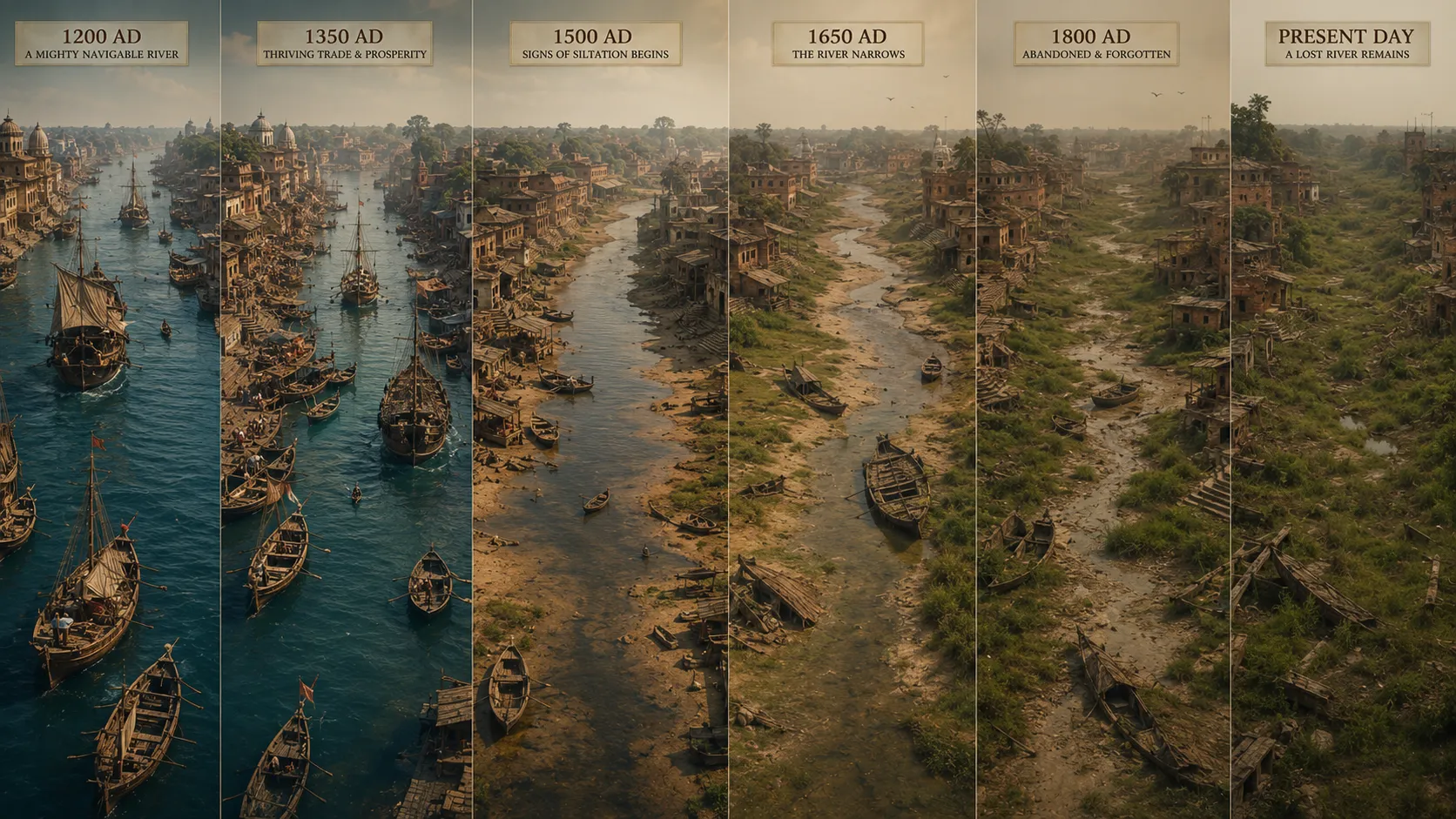
The Death of a River: Saraswati of Bengal
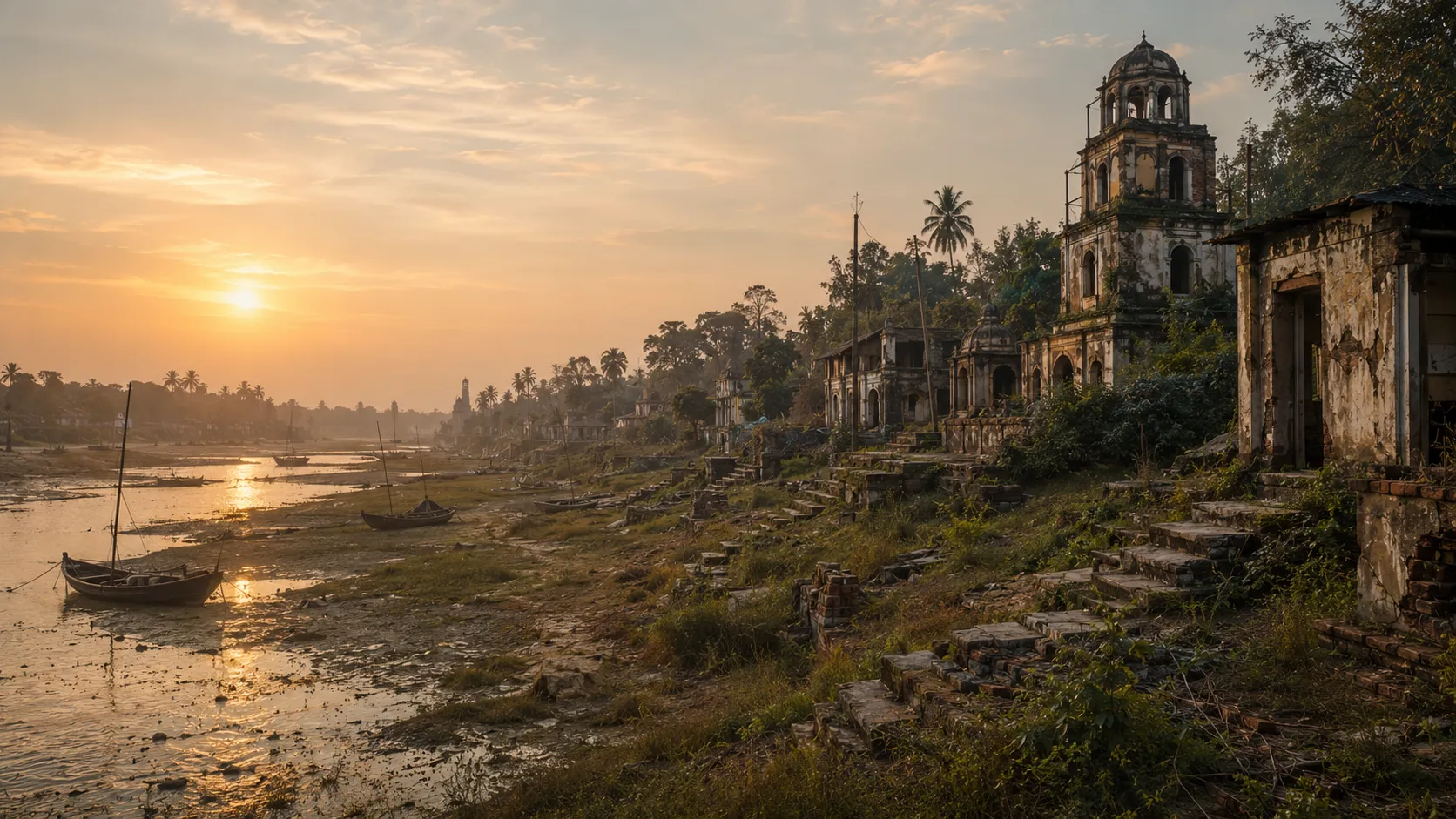
The Bengal Saraswati did not disappear in a single catastrophe. Sediment, shifting river channels, declining discharge and later human intervention gradually transformed a major waterway of southern Bengal. The river’s death unfolded over centuries, reshaping navigation, trade and settlement—and leaving behind a landscape where a once-important river survives in maps, memories and fragments.
-
The River That Changed Bengal's Capital
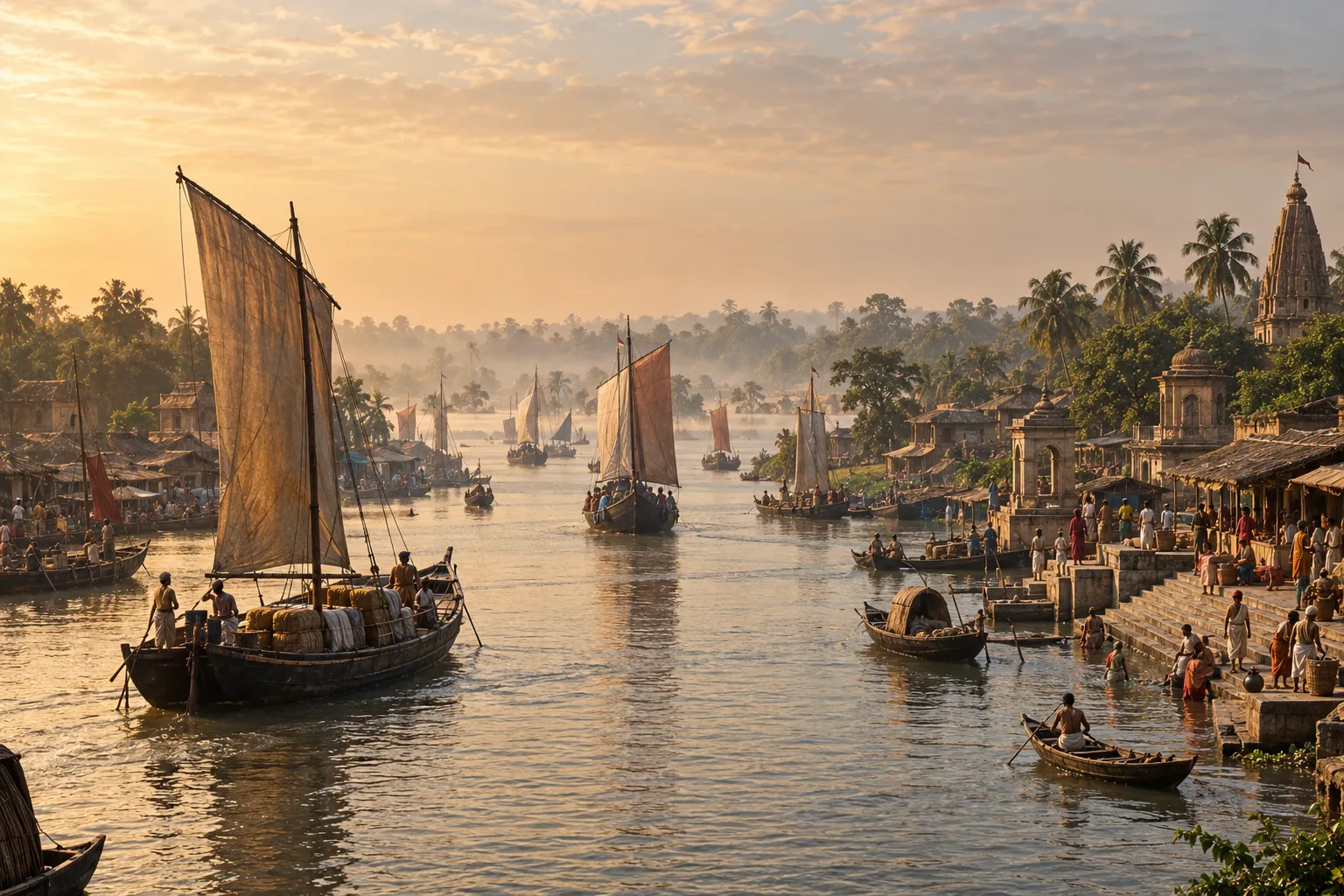
As the Bengal Saraswati weakened and the Hooghly became more important, Bengal’s commercial geography shifted downstream. Saptagram gradually lost its advantage as changing river channels made navigation harder, while Hooghly emerged as a stronger centre for maritime trade. This environmental shift helped reshape the network of ports and settlements from which Calcutta eventually emerged.
-
The River That Made Saptagram
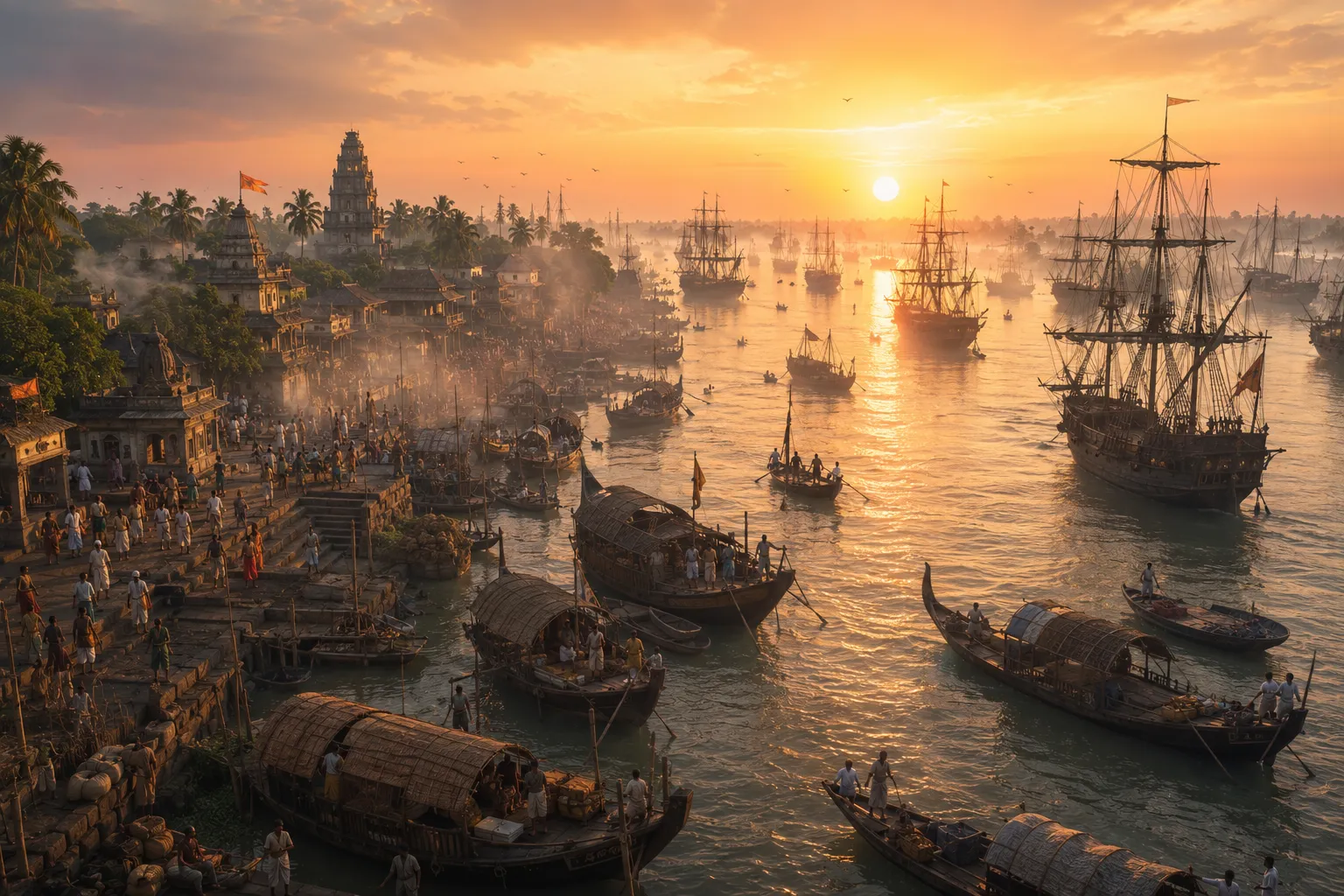
Saptagram, on the Bengal Saraswati, grew into one of medieval Bengal's great commercial centres, gaining administrative and mint status under Muhammad bin Tughluq and drawing Portuguese merchants like Tomé Pires by the sixteenth century. As the Saraswati silted and trade shifted to the Hooghly, the city's advantage and its fortunes gradually declined together.
-
The River That Refused to Disappear
The Bengal Saraswati has vanished from much of the landscape, but its story survives in old maps, satellite images, buried sediments and the shape of the land itself. Tracing those fragments reveals not just a lost river, but the commercial world of Saptagram and the changing geography of southern Bengal that grew around its waters.
-
The Stones That Remembered Bengal
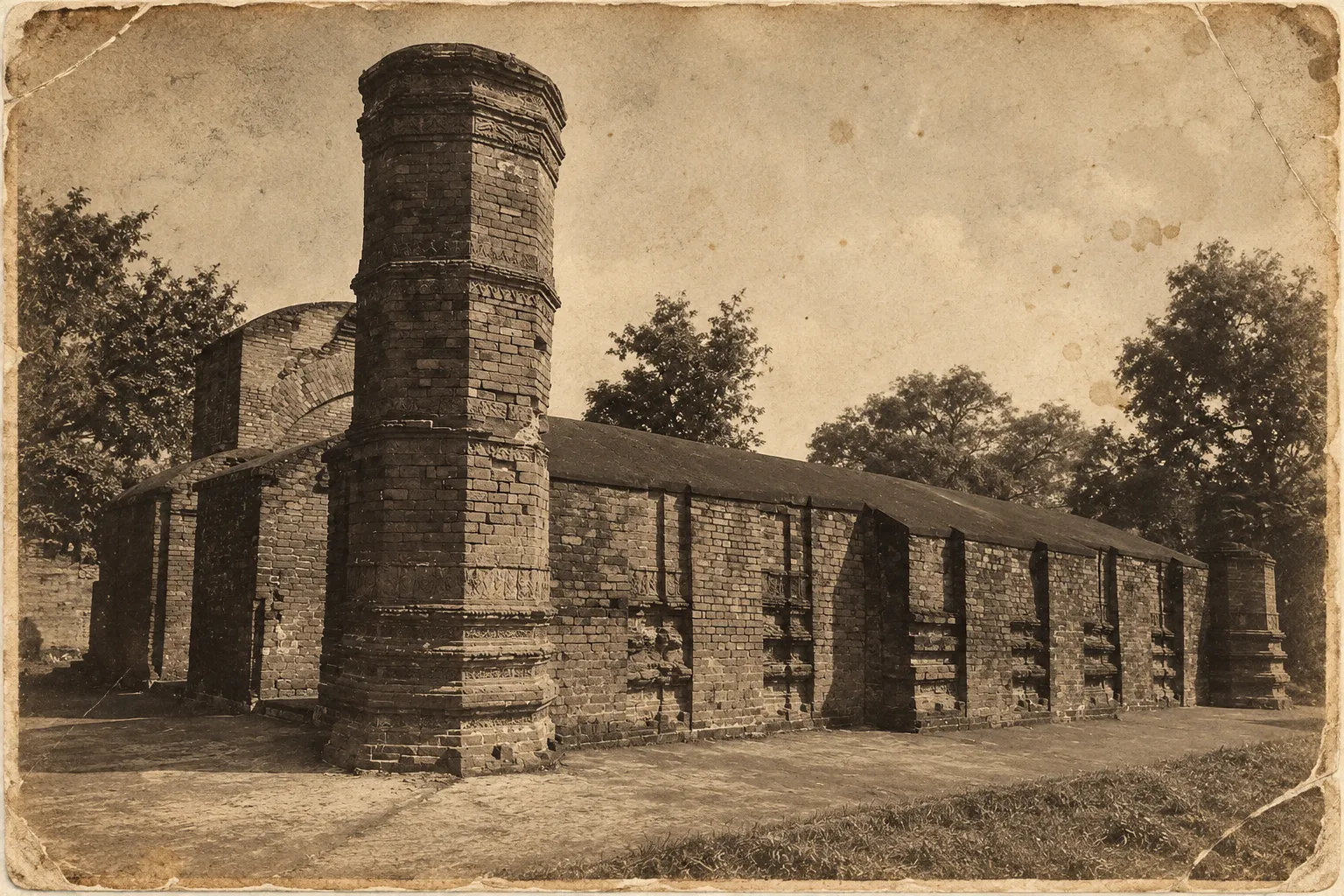
At Tribeni, the Zafar Khan Ghazi Mosque and Dargah preserves an extraordinary architectural record of Bengal’s changing past. Built in the late thirteenth century, its walls incorporate older religious and architectural fragments, including Sanskrit-inscribed stones and carved imagery, revealing how earlier cultural landscapes survived within a new political and religious order.
-
When the Saraswati Lived in Poetry
Long before the Bengal Saraswati became a lost river, Bengali literature had already made it part of a living world of ships, merchants, pilgrims and sacred places. From Bipradas Pipilai’s Manasamangal to Vrindavana Dasa’s Chaitanya Bhagavata, the river survives not as a map or measurement, but as part of Bengal’s cultural memory.
-
The Private Papers Behind the Partition of Bengal
The British defended the 1905 partition of Bengal as an administrative necessity. But confidential correspondence among the officials shaping the new map reveals another consideration: they were thinking carefully about what might happen to Bengal’s political power once its eastern and western districts were no longer joined.
-
When Bengal Was Divided, Dacca Saw a Future
For many in western Bengal, the 1905 Partition looked like the destruction of a political homeland. In Dacca, some Muslim leaders saw something very different: a new province, a new capital and the possibility of political influence that had long seemed concentrated elsewhere.
-
How Did Garlic Become Part of Bengali Cooking?
Garlic is now familiar in Bengali cooking, but its place in the Bengali kitchen was not always straightforward. Ancient Indian traditions valued it medicinally, while some religious dietary codes prohibited it. Bengali cookbooks from the nineteenth and early twentieth centuries reveal a gradual change in culinary practice—showing how a contested ingredient eventually became part of Bengal's changing food culture.