All stories
Every published Know Bengal article, newest first — research-based writing on Bengal’s history, economy, people, culture, places and ideas.
-
The Bengal–Indonesia Connection Nobody Talks About
In the ninth century, a ruler from the island world of Southeast Asia sought support from Bengal’s Pala emperor—not for a war or a territorial claim, but for a Buddhist monastery at Nalanda. A surviving copper-plate inscription records the exchange, offering a rare glimpse of how royal patronage and Buddhist institutions connected Bengal with a wider world across the Bay of Bengal.
-
The Bridge Made of Boats
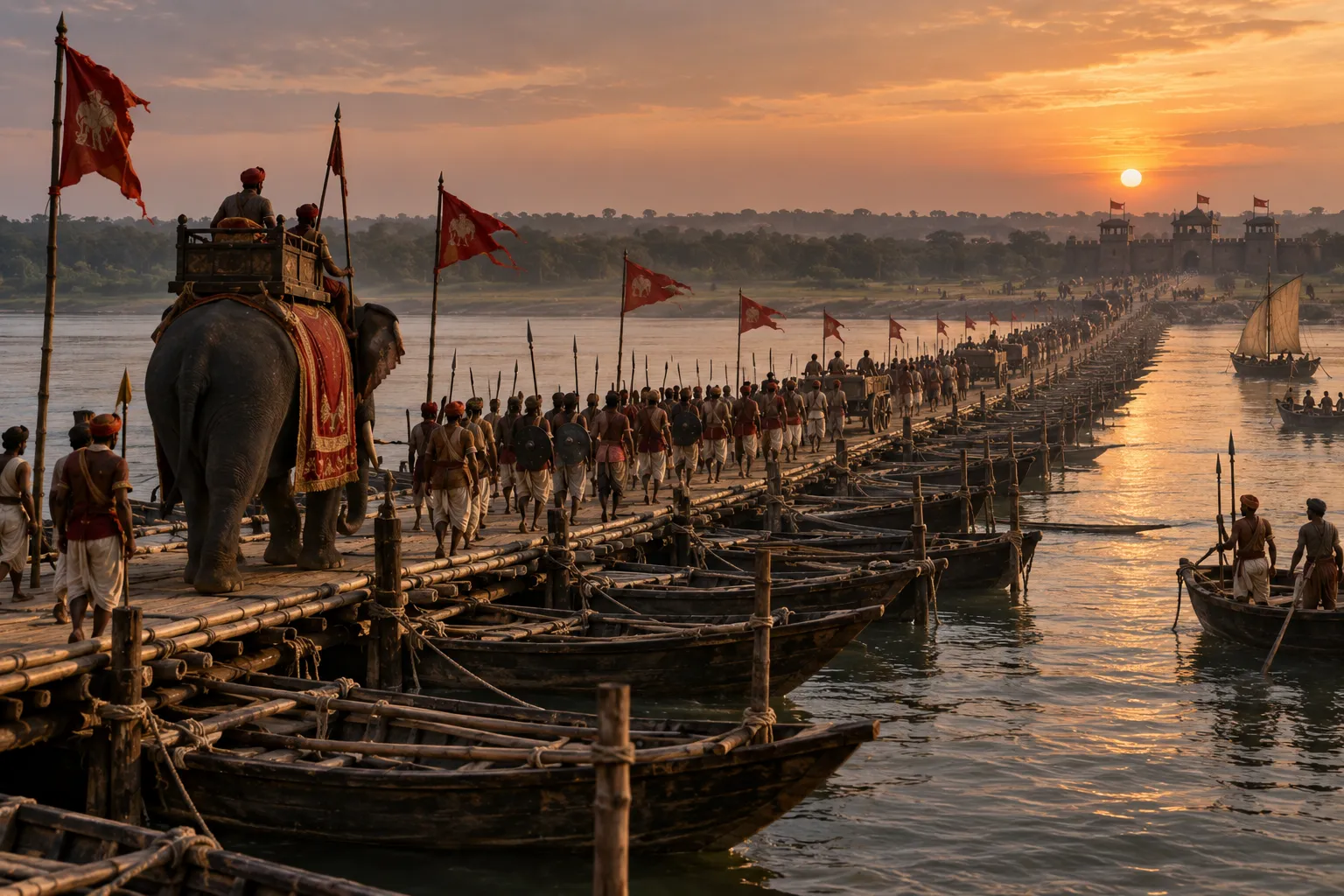
A river could stop an advancing army as effectively as an enemy force. Bengal’s military traditions preserve the idea of a Nau-Setu, or bridge made of boats: a temporary crossing that could connect waterborne transport with movement on land. Though its precise construction and use remain uncertain, the concept reveals how boats could become military infrastructure.
-
Why Did Ganesha Become the First Voice of the Bengali Maṅgal-kāvya?
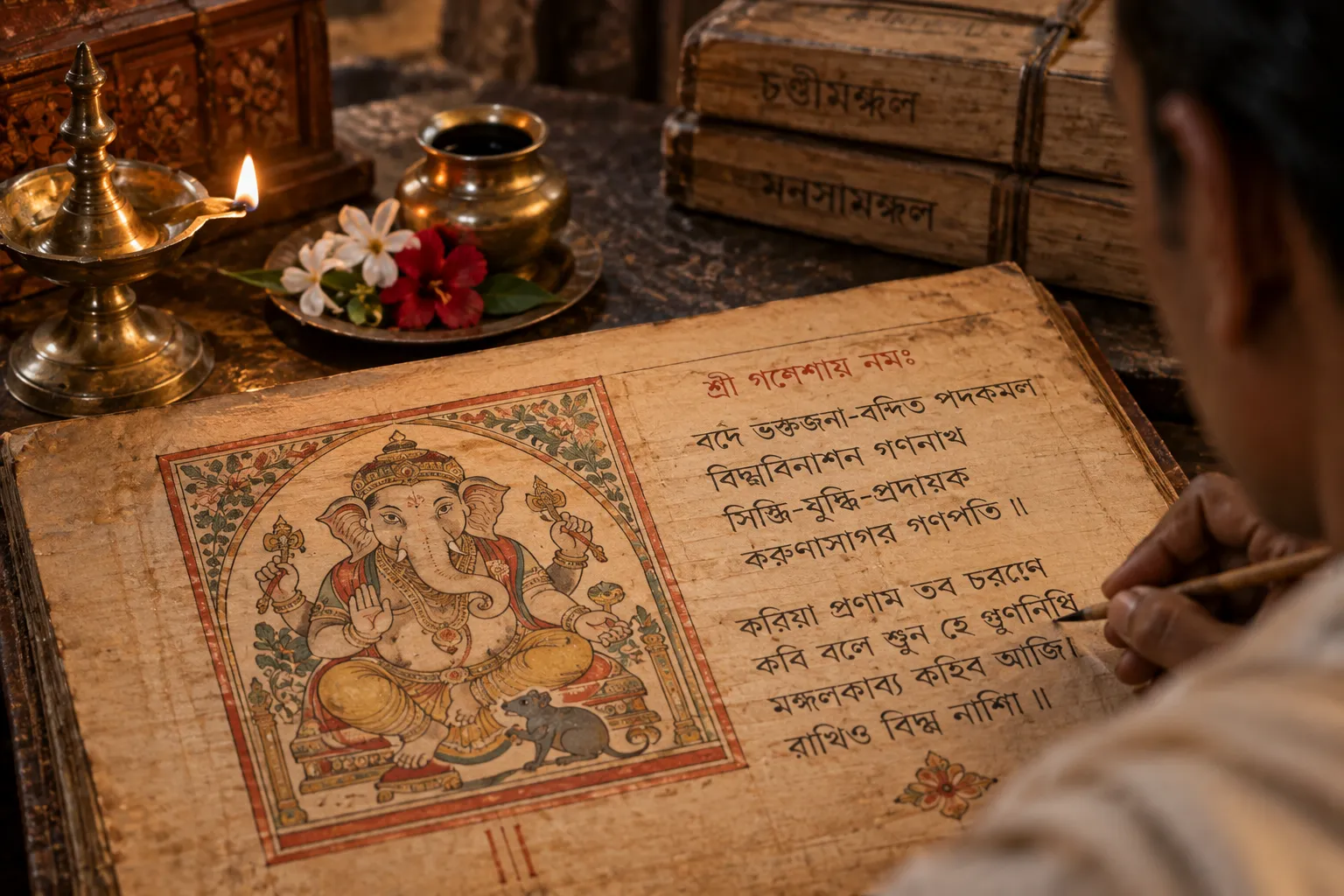
Before many Bengali Maṅgal-kāvyas entered their stories of gods, merchants and ordinary life, poets first created an auspicious opening through vandana. Ganesha frequently appeared at this threshold, even when another deity was the poem’s central figure. His place in these invocations reveals how a wider Hindu tradition became woven into Bengal’s distinctive literary culture.
-
Why Is Ganesha's Vehicle a Mouse?
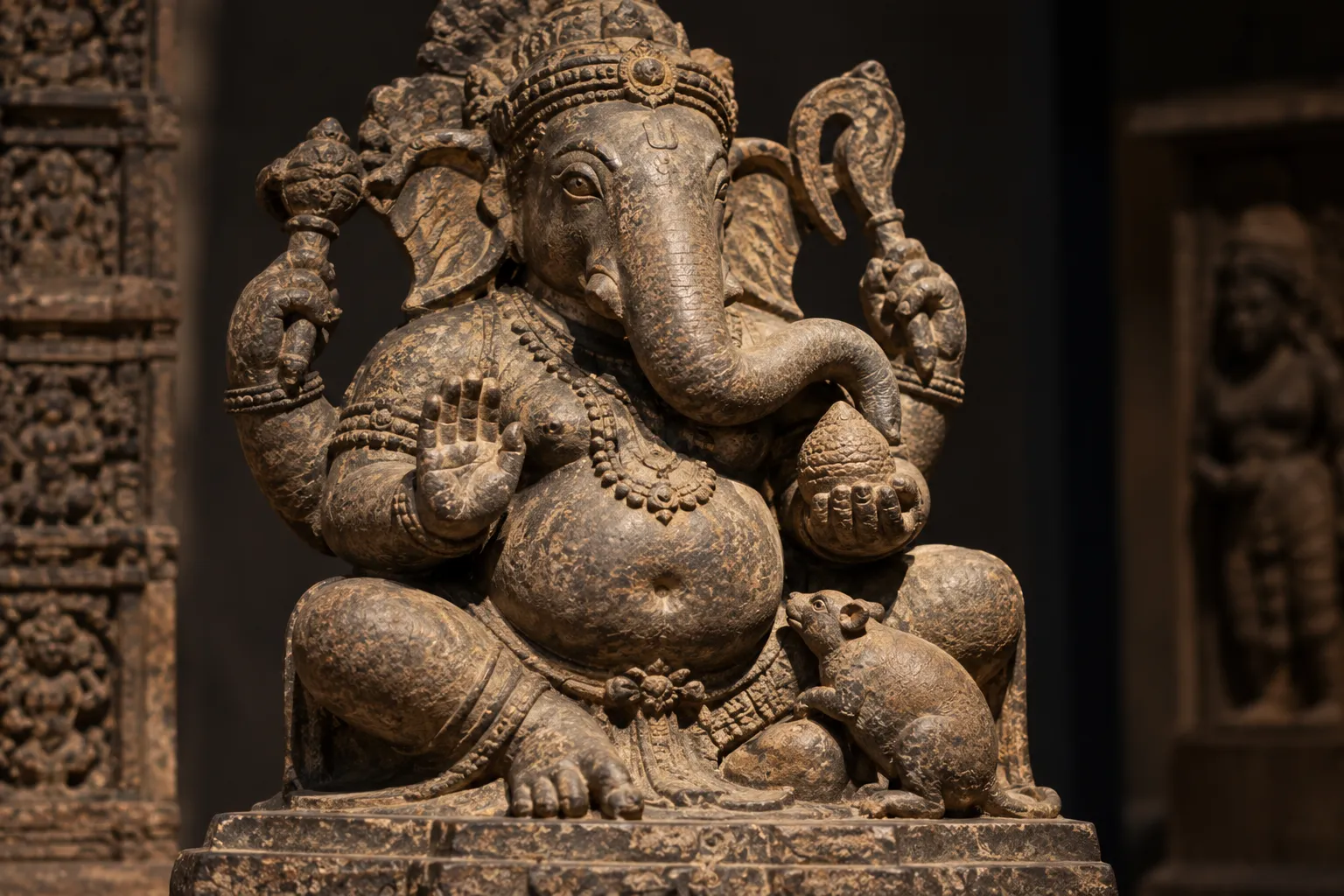
Ganesha is one of India’s most recognisable gods, but his tiny mouse companion is easy to overlook. The pairing has a history of its own. From agricultural interpretations of the mouse to later ideas about desire, the wandering mind and the conquest of obstacles, this unlikely vehicle has accumulated meanings across centuries of South Asian religious culture.
-
From Ganapati to Ganesha: How Did the God We Know Take Shape?
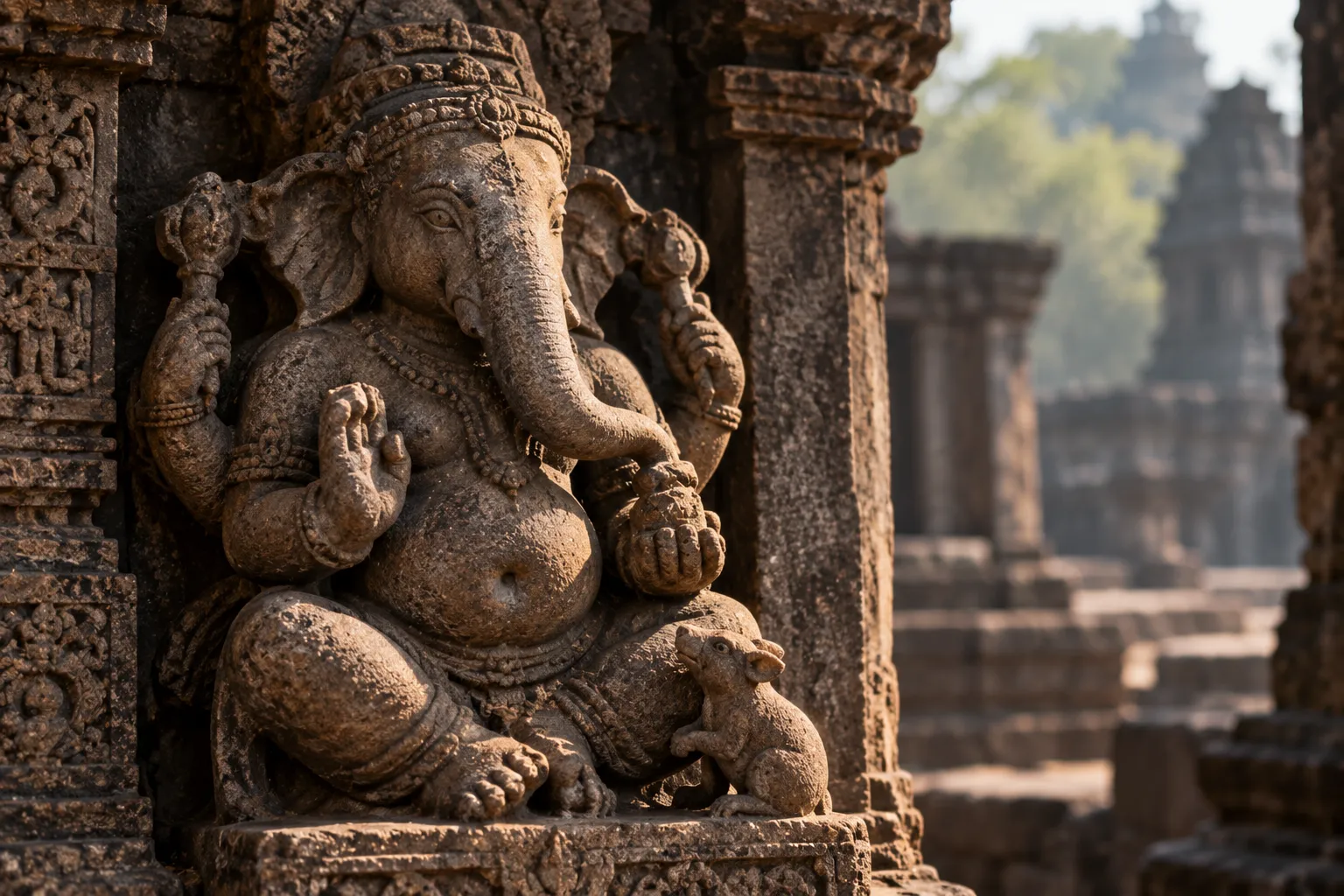
The word gaṇapati is already present in the Rigveda, yet the deity we know as Ganesha took shape through a much longer history of changing names, images, myths and rituals. From Brahmaṇaspati to the elephant-headed god, and eventually into Bengali literary culture, his story is one of religious transformation rather than a single moment of origin.
-
The Fish That Pointed North
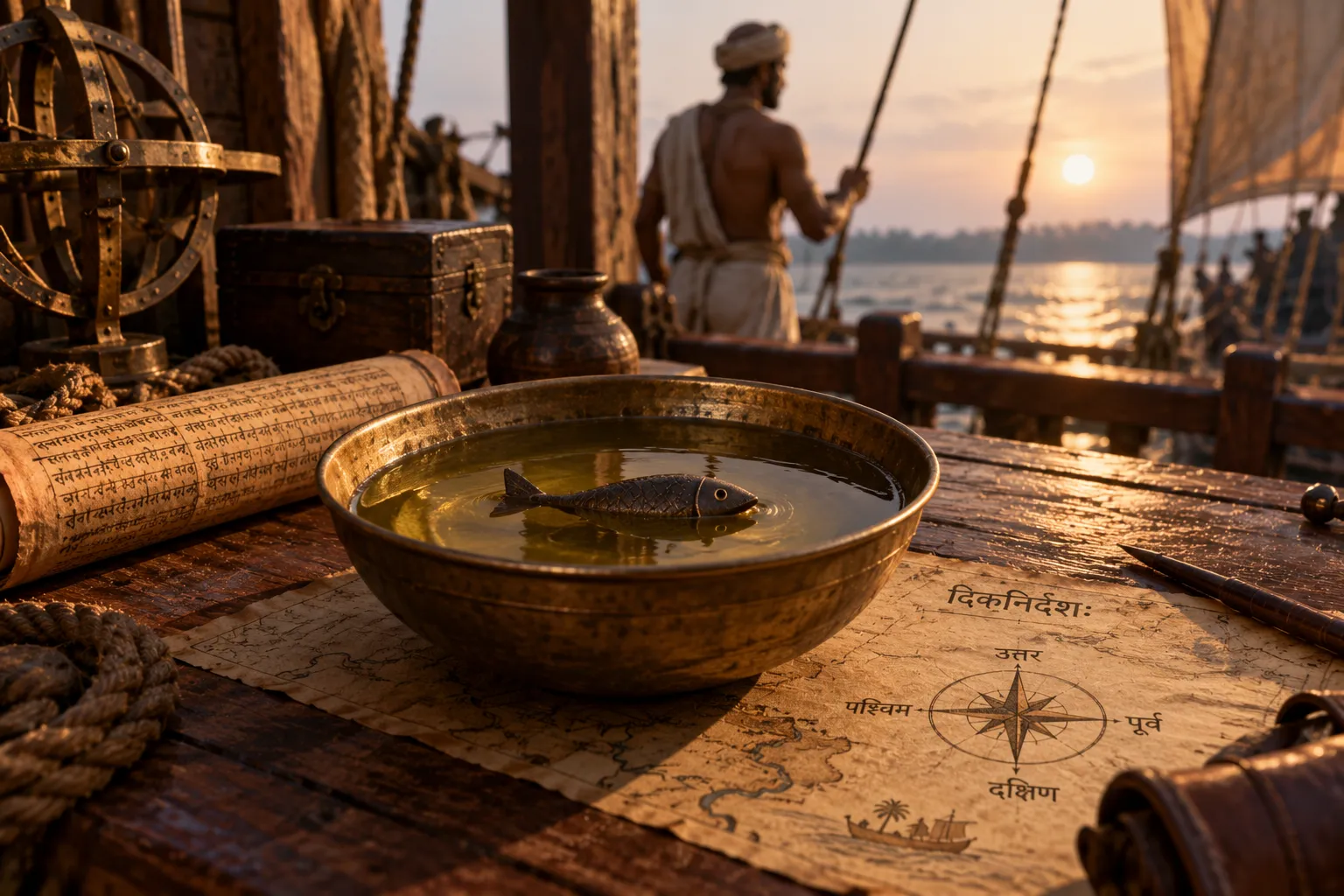
An iron fish floating in oil was said to provide direction for sailors, but the intriguing Maccha Yantra raises a harder historical question: what exactly was this device, and did Bengali sailors actually use it as a compass? Surviving evidence supports a fascinating possibility, but not a simple story of a lost ancient navigation technology.
-
Why Ancient Bengali Ships Were Designed to Survive the Delta
Bengal’s rivers were never static: channels shifted, silt accumulated, banks eroded and tides transformed waterways. Ships working in this environment had to accommodate those conditions rather than simply overcome them. Their varied sizes, materials and construction methods suggest a maritime technology shaped by an unusually demanding landscape, where the right vessel mattered more than the largest one.
-
What Did a Bengali Warship Actually Look Like?
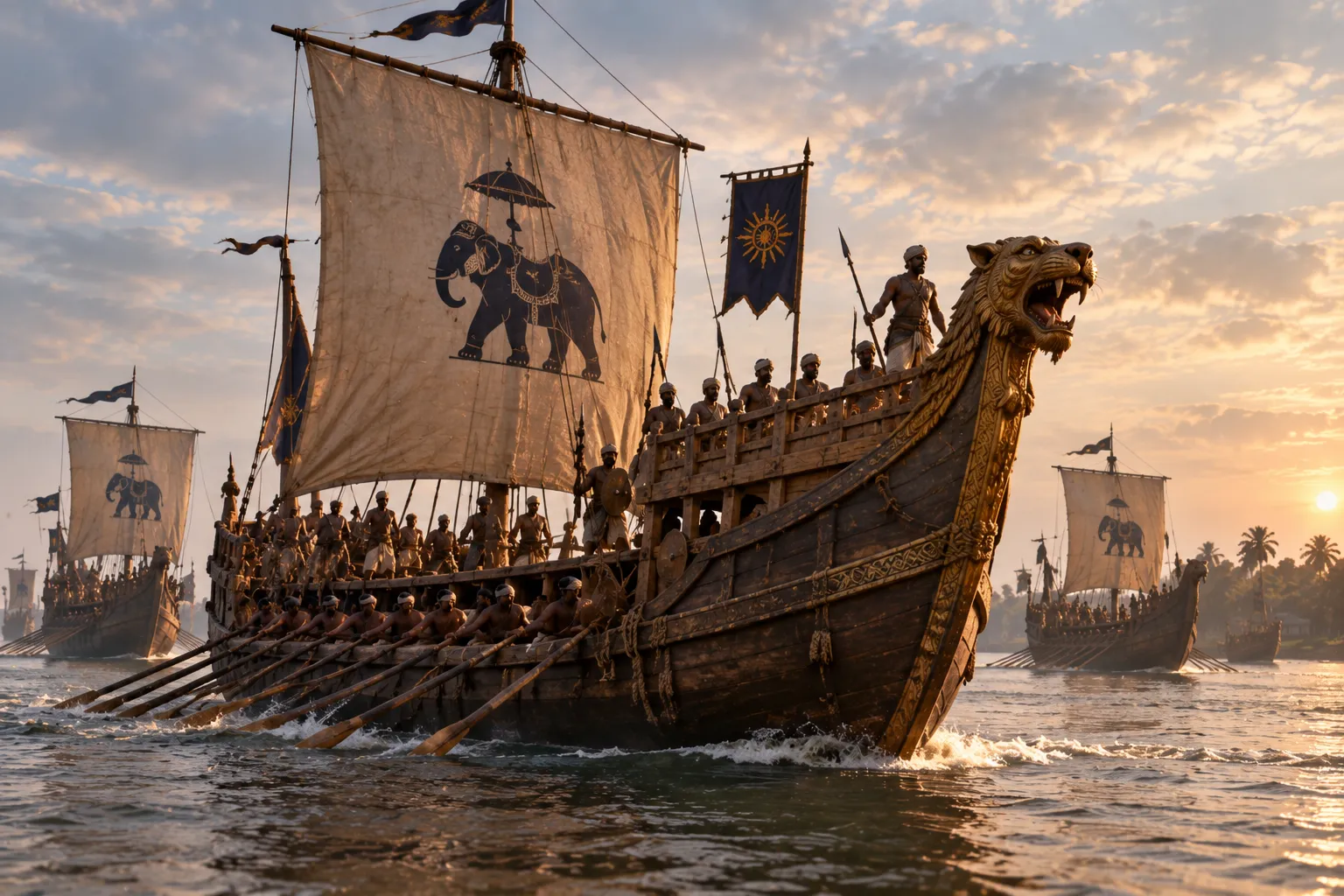
The wooden warships of medieval Bengal have largely disappeared, leaving behind only fragments of evidence: technical descriptions, archaeological representations and references to different vessel types. By reading those clues together, we can reconstruct the design logic of Bengal’s warships—without pretending that the surviving evidence gives us a perfect blueprint.
-
How Do You Build a Ship Without Iron Nails?
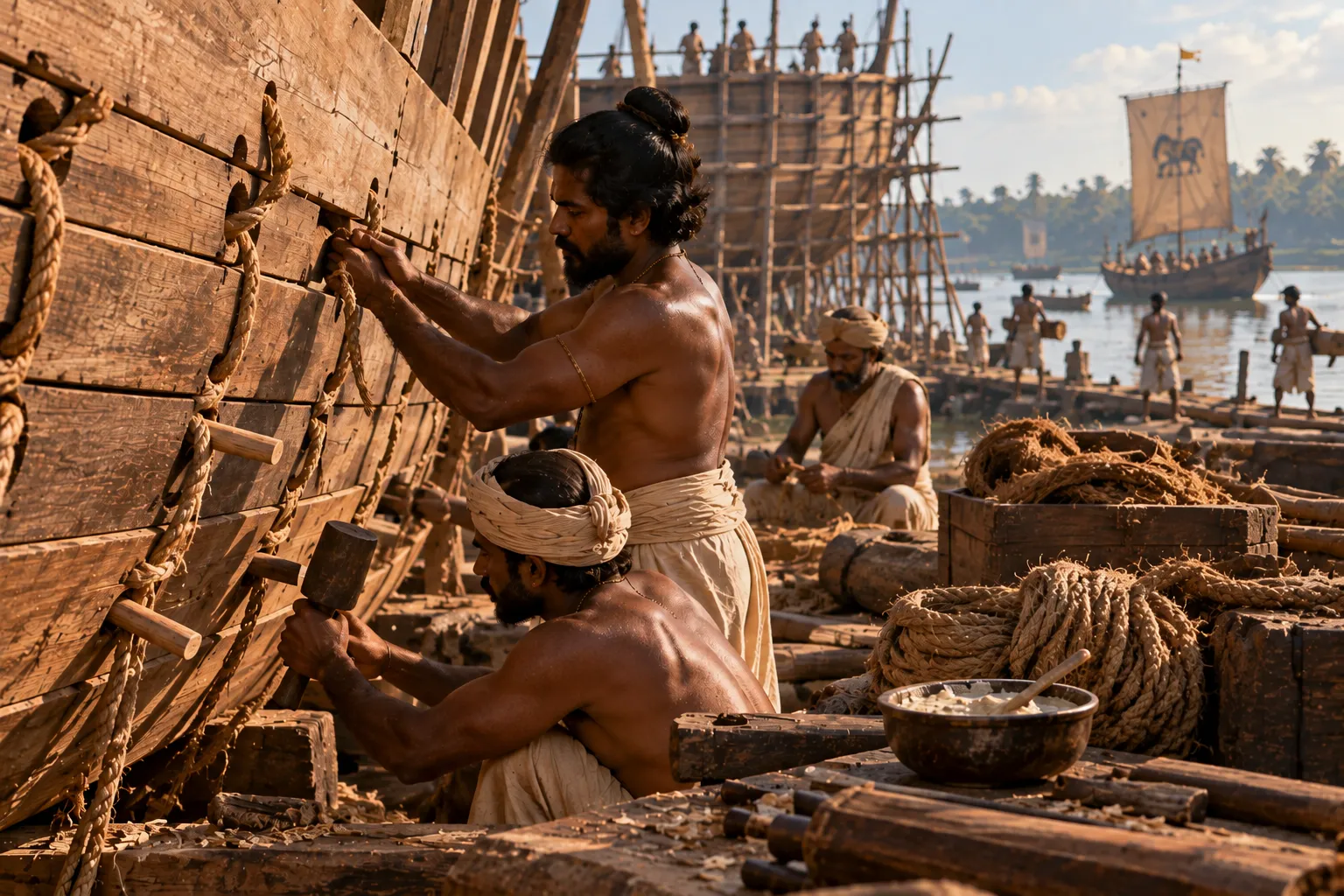
A wooden ship does not need iron nails to be engineered for strength. Bengal’s maritime traditions used timber, fibre cordage, wooden pegs and sealants to create hulls capable of controlled movement. This technology reveals a different idea of durability—one in which flexibility, repairability and adaptation to difficult waterways could matter as much as rigid construction.
-
The Forgotten Bureaucrats Who Ran Bengal's Navy
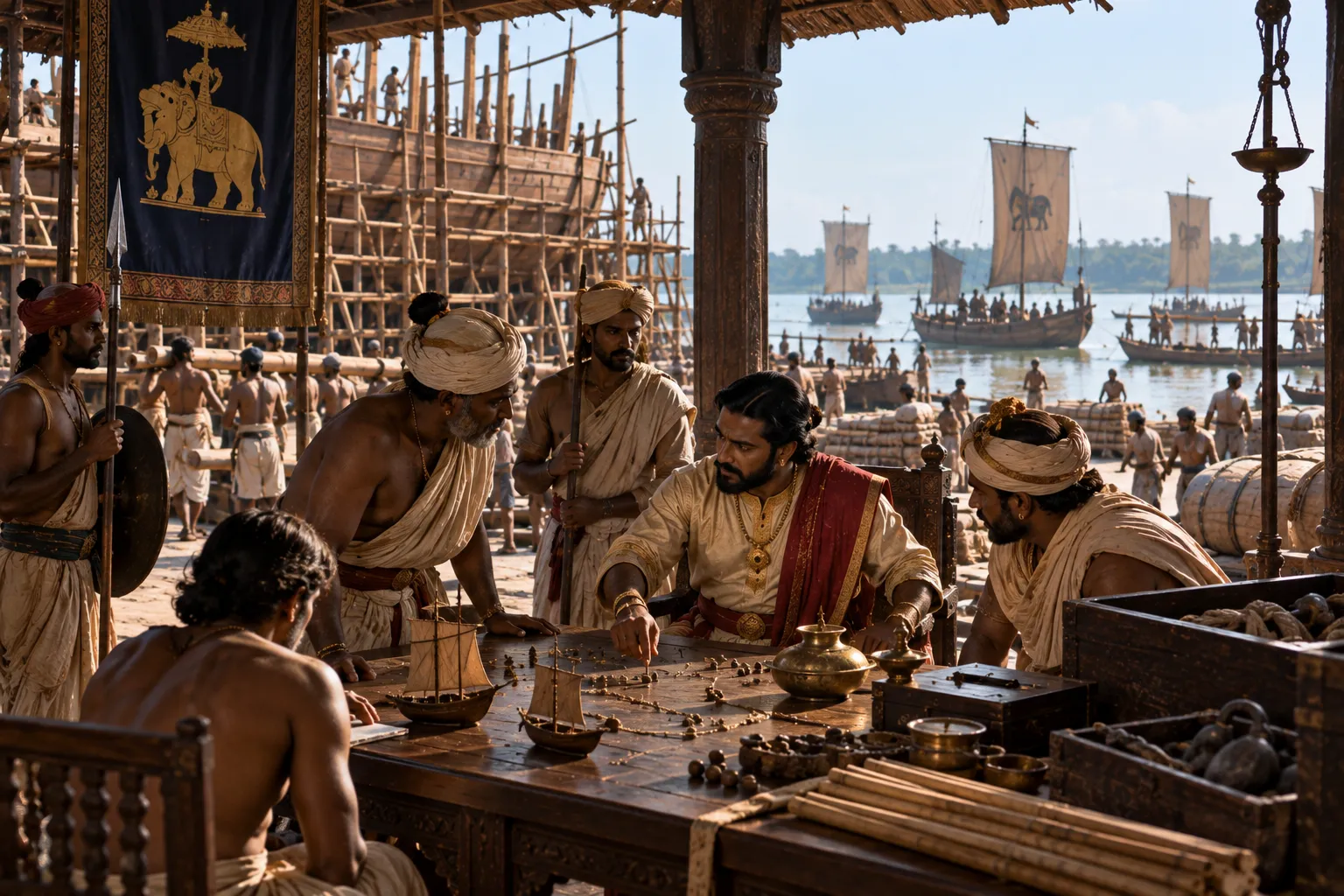
Long before a fleet could move, someone had to organise its ships, crews, ports, supplies and crossings. Pala-era Bengal appears to have maintained specialised officials for these tasks, revealing a naval system embedded in government. Their surviving titles offer a rare glimpse of the administrators behind the ships—and of a state that treated waterways as infrastructure.
-
When a Fisherman's Knowledge Became Military Power
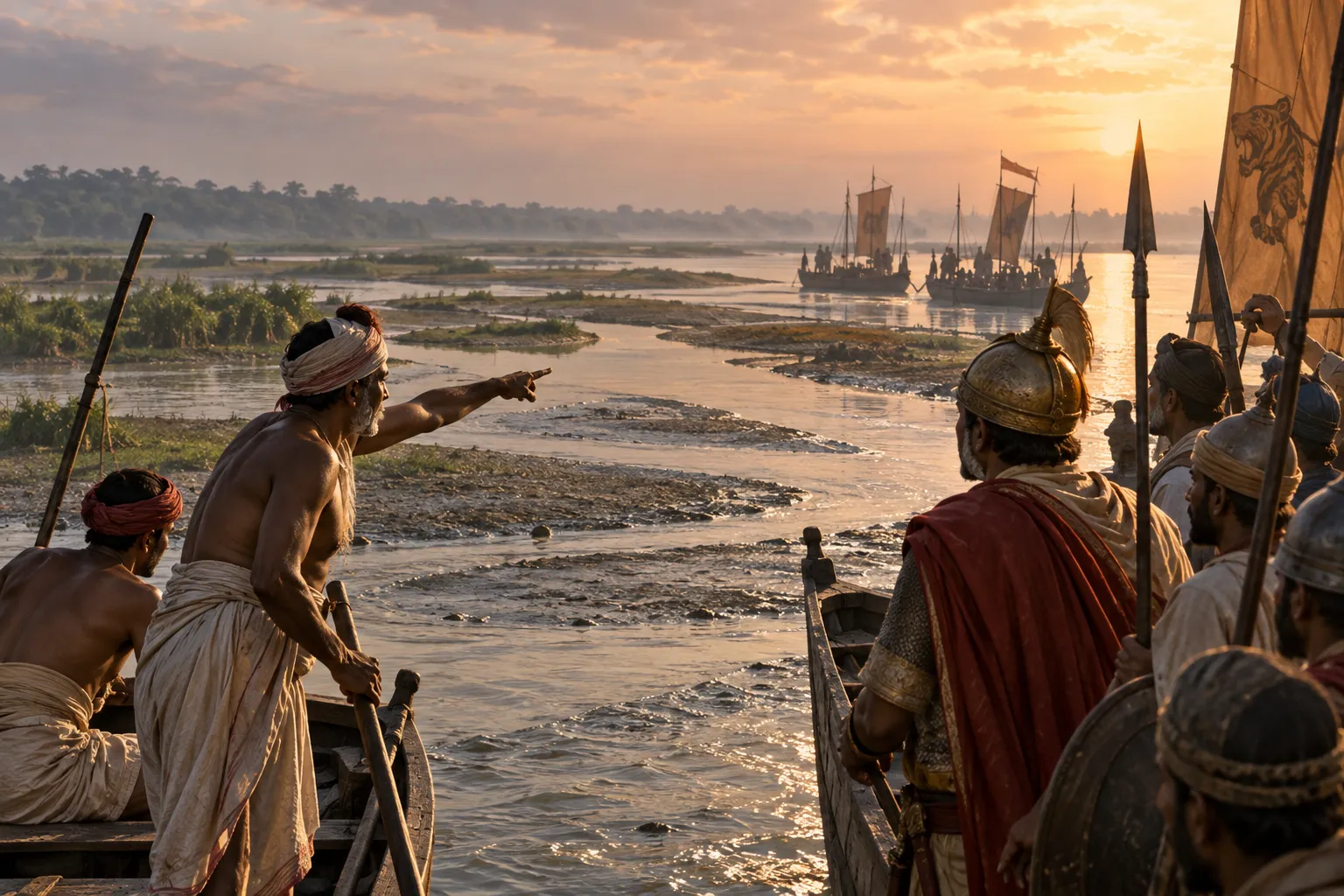
A river could be learned in ways no map could capture. For Bengal’s fishermen, boatmen and ferrymen, knowledge of shifting channels, crossings, currents and tides came from everyday work. In wartime, that practical expertise could become military intelligence, helping armies move through difficult waterways and giving local forces an advantage over outsiders unfamiliar with the delta.
-
The Kaivarta Power That Bengal's Kings Could Not Ignore
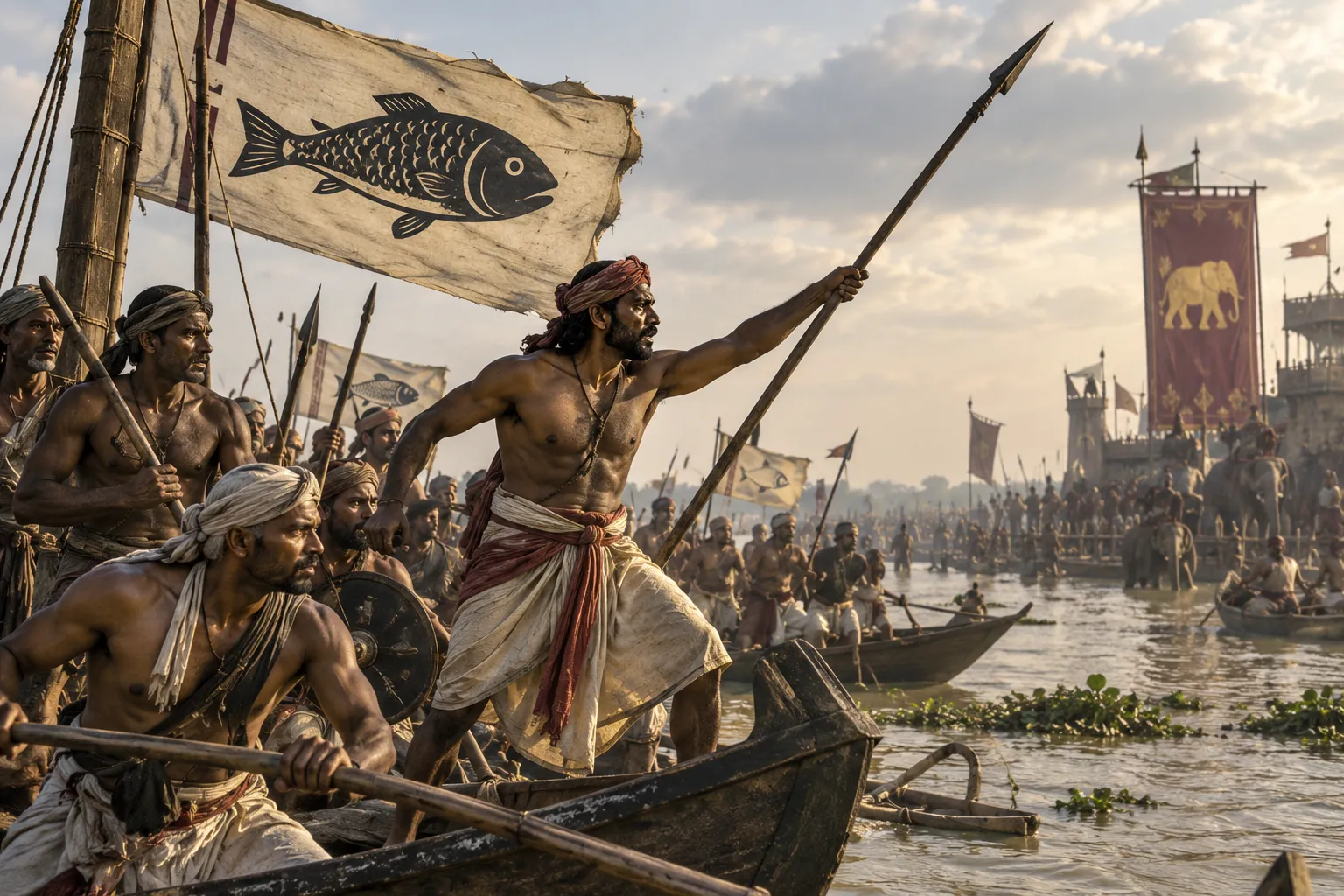
The Kaivartas were among the river-dependent communities of medieval Bengal, traditionally associated with fishing and boat work. Their revolt in Varendra under Divya became far more than a local uprising: it disrupted Pala authority and forced Ramapala to fight for the region’s recovery. Their story reveals how knowledge, labour and control of waterways could become political power.
-
The Chola Army Won. So Why Didn’t Bengal Fall?
Rajendra Chola I’s campaign into Bengal was a remarkable military success, but it did not produce lasting Chola rule. The expedition defeated Pala forces, reached the Ganges and returned with the spoils celebrated by Chola inscriptions. Yet Bengal’s political order survived, revealing a crucial distinction between winning a campaign and possessing a country.
-
The War Bengal Fought With Mud and Tide
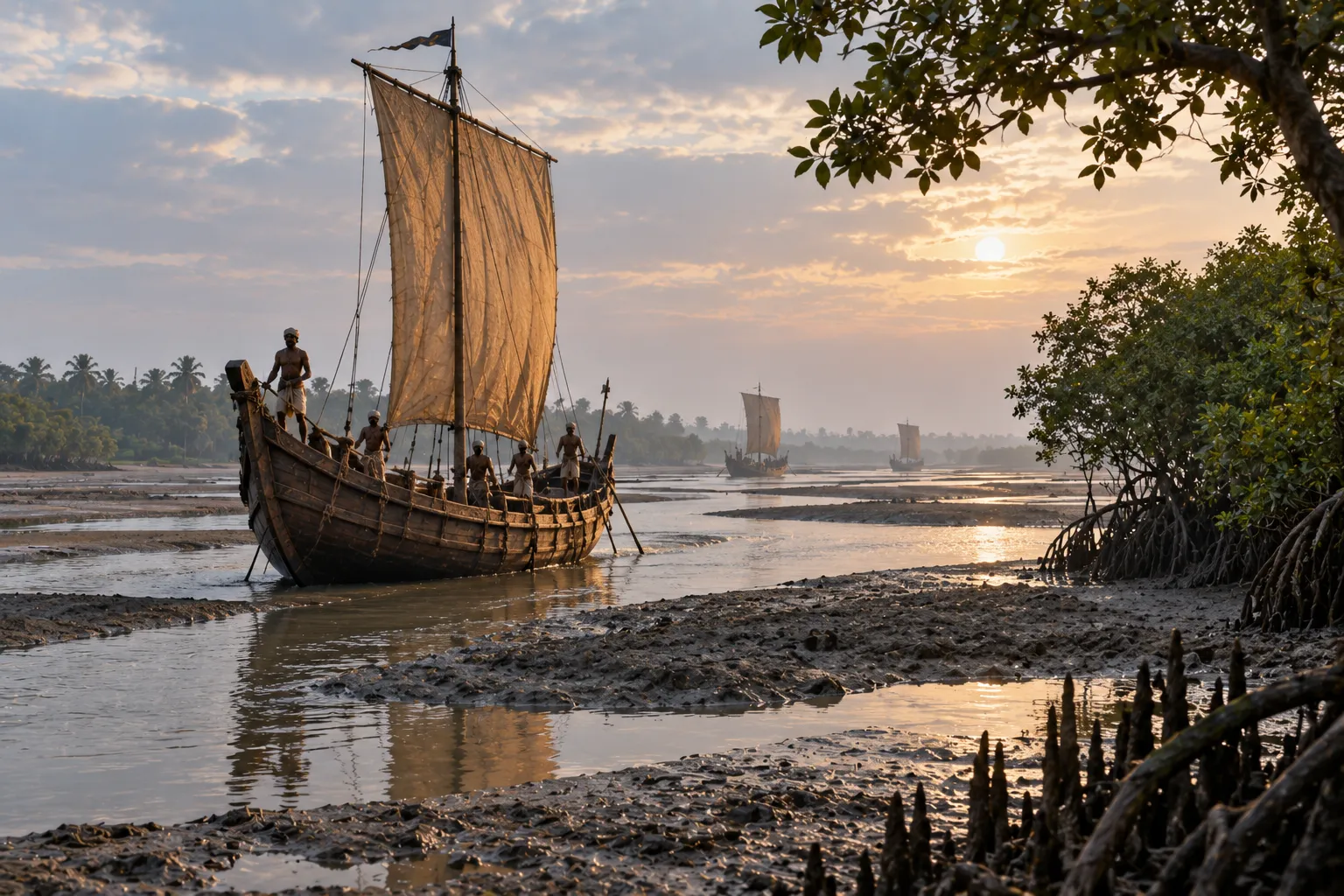
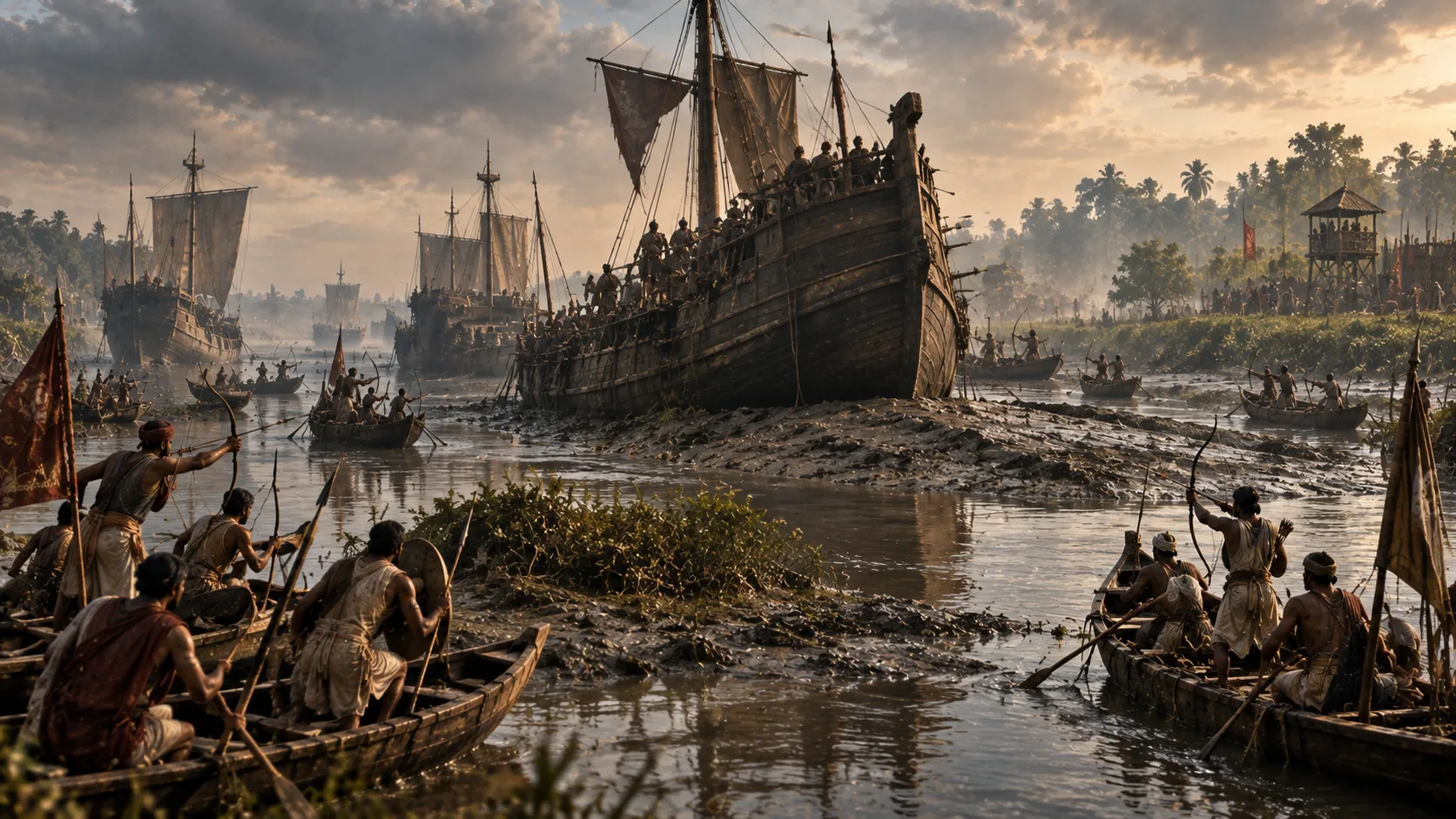
In Bengal's shifting waterways, mud, shallow channels and tides could transform the balance between an invading fleet and the people defending the delta. A reconstruction of how environmental knowledge could turn the river itself into a tactical advantage.
-
Why Alexander Never Reached Bengal
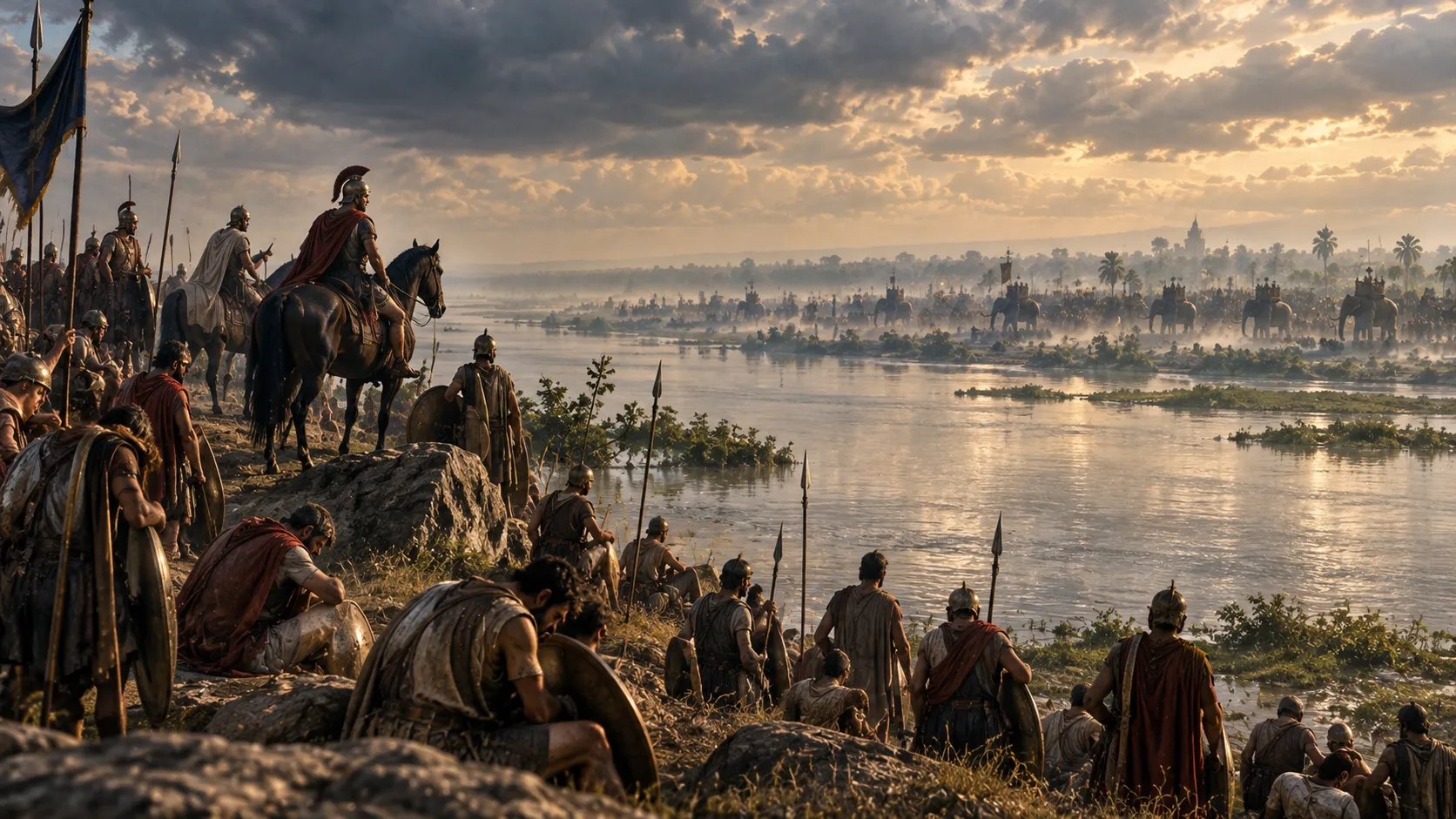
Alexander's army reached the Hyphasis in 326 BCE but never crossed into the Gangetic world. The Gangaridai were never defeated by him in battle, yet their reputation, the Ganges and the prospect of powerful eastern kingdoms formed part of the formidable frontier his exhausted army chose not to cross.
-
How Bengal Turned Its Rivers into Weapons
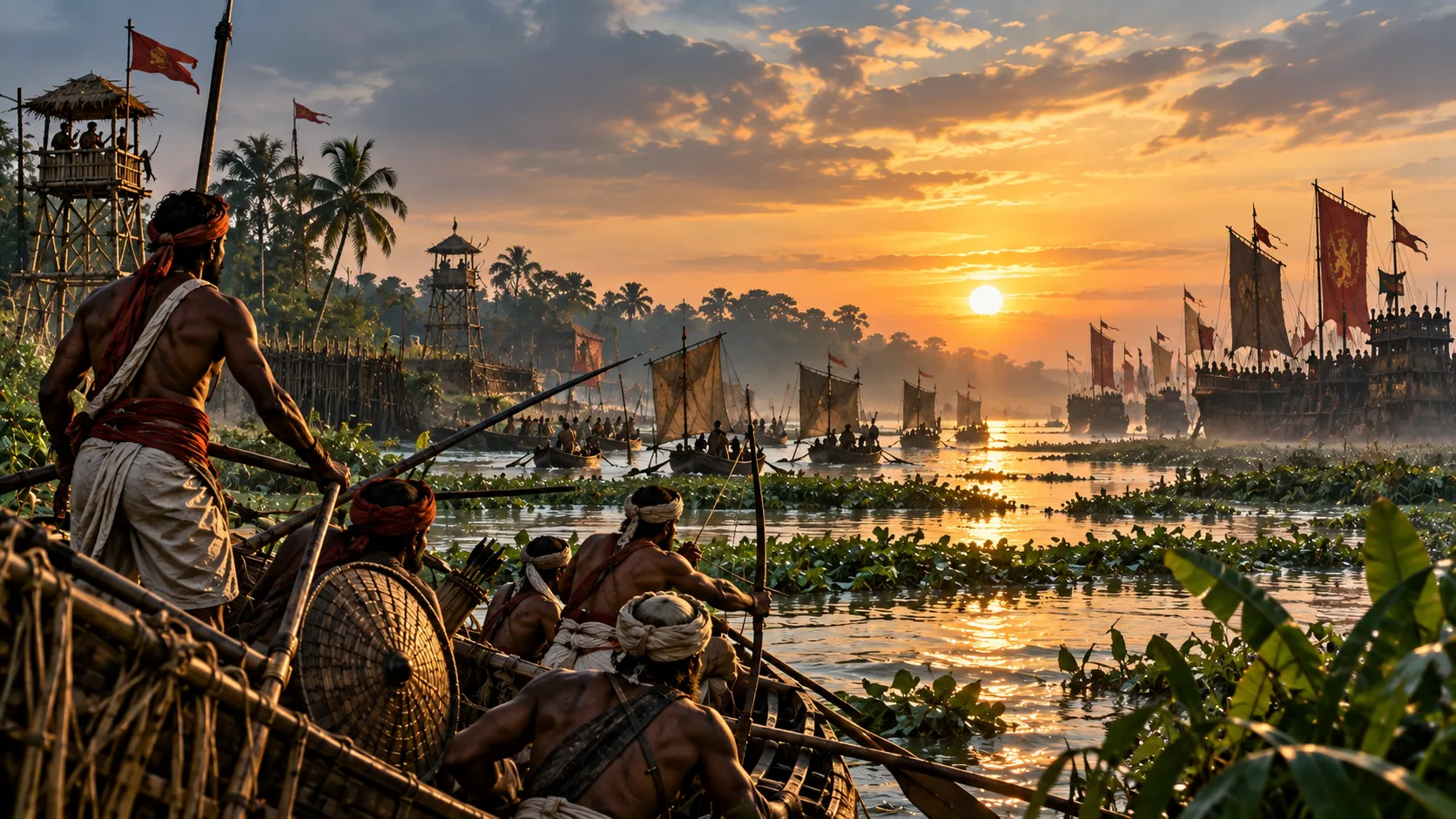
Bengal's rivers were more than waterways. In a shifting delta of channels, mudbanks, wetlands and tides, knowledge of the landscape could become a source of military power. From the Gangaridai to the Pala period, the relationship between Bengal's people, waterways and states reveals how geography could shape the terms on which armies moved, fought and attempted to control the region.
-
The Filmmaker Who Saw Bengal Differently
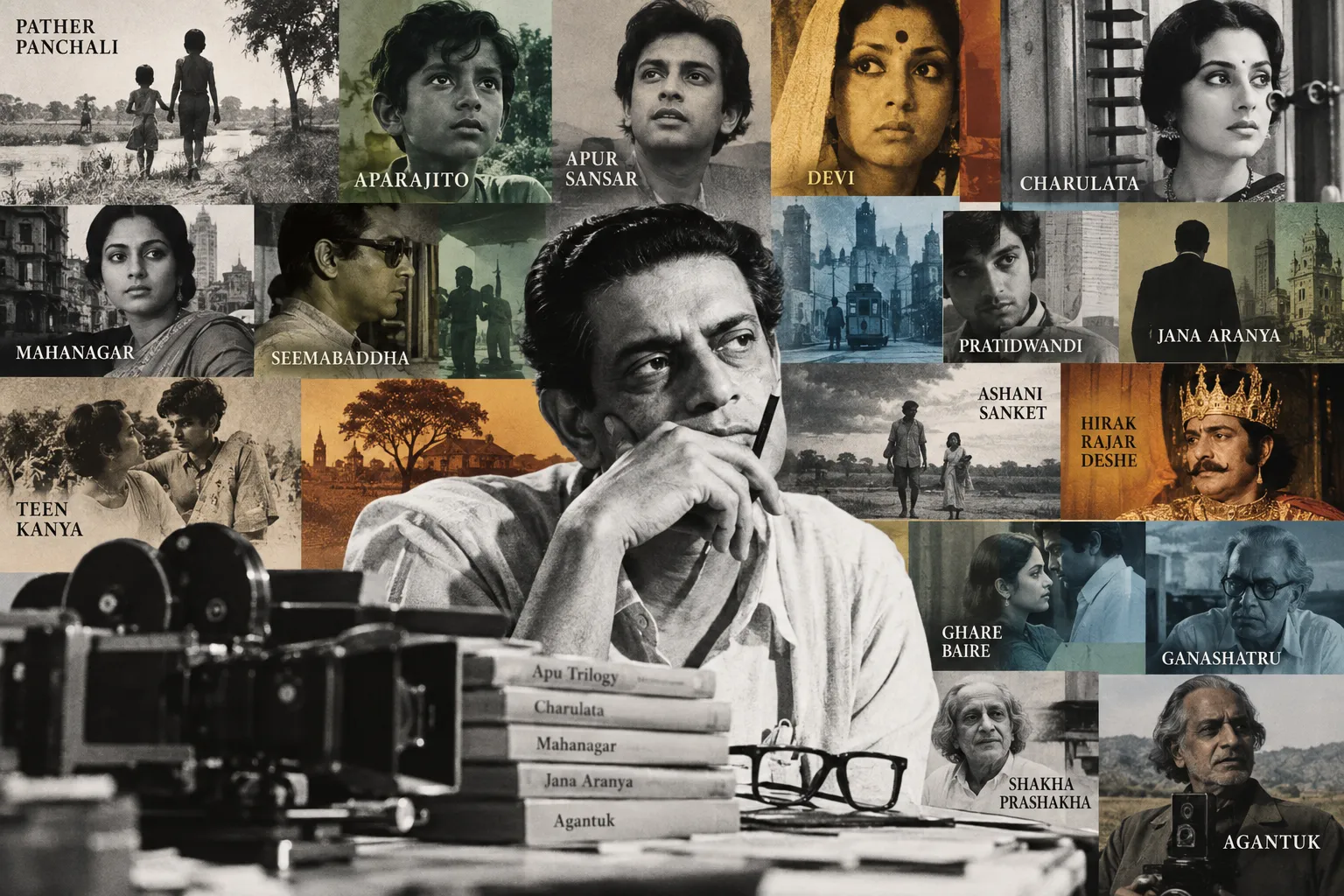
Satyajit Ray’s cinema changed as Bengal changed. From the villages of the Apu Trilogy to Calcutta’s working women, political anxiety, moral compromise and the philosophical questions of Agantuk, Ray kept returning to one concern: how people behave when the world they know begins to change. His filmography becomes a portrait of Bengal in motion.
-
The Film Nobody Wanted to Fund — and That Took Bengal to the World
The making of Satyajit Ray’s Pather Panchali was a struggle from the beginning: money ran out, production stalled and the first-time filmmaker had to risk his family’s security to keep going. Then the film travelled from Bengal to Cannes and beyond, winning extraordinary acclaim while provoking serious criticism about poverty, pace and representation.
-
Before Satyajit Ray Made Films, He Designed How Bengal Read
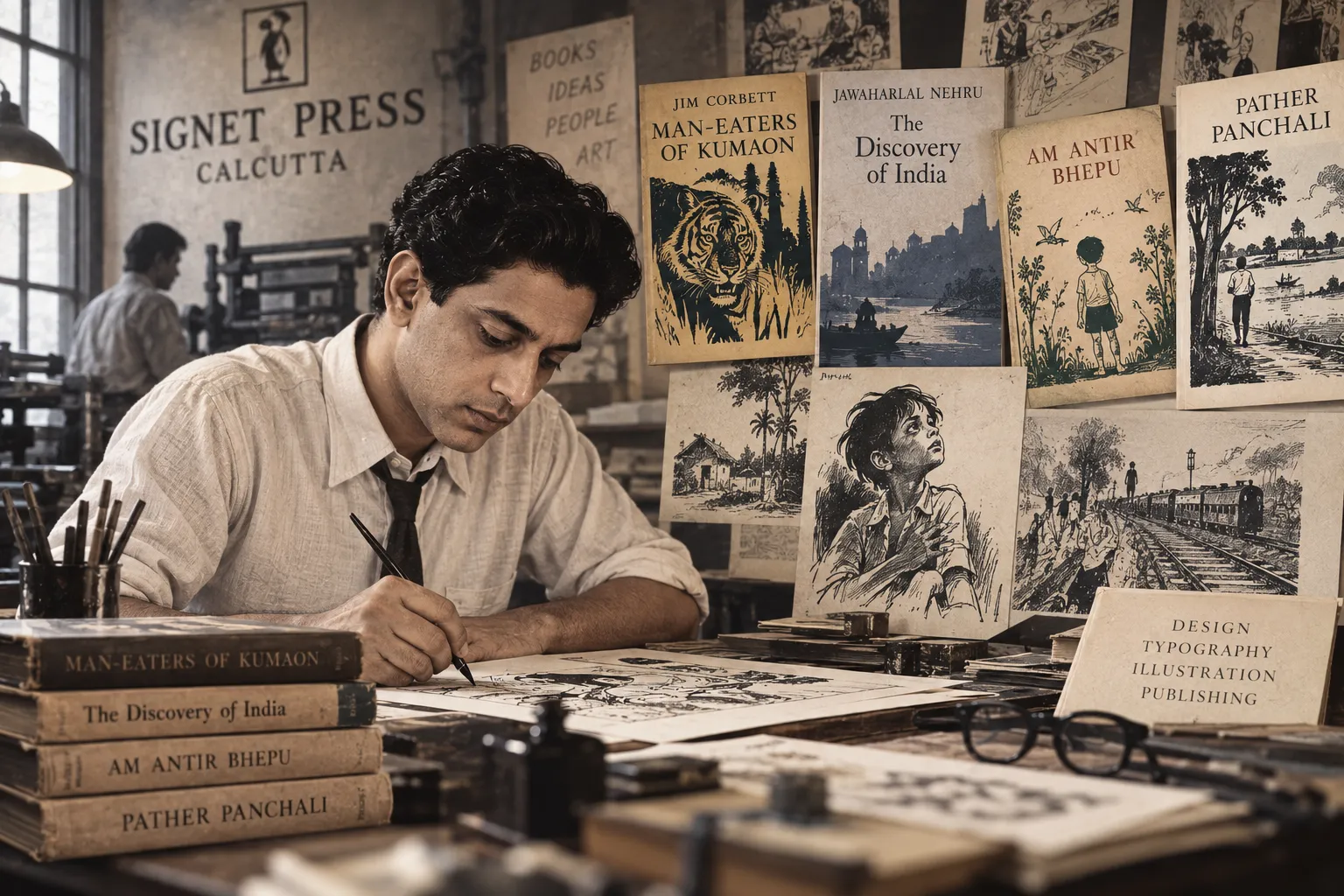
Satyajit Ray is remembered in Bengal as a filmmaker and writer, but his visual imagination was shaped before he made his first film. At Signet Press, he learned to communicate through book covers, illustration and typography, and his work on Bibhutibhushan Bandyopadhyay’s Pather Panchali helped lead him towards cinema. The printed page came before the camera.
-
The Printing Press That Made Modern Bengali Imagination
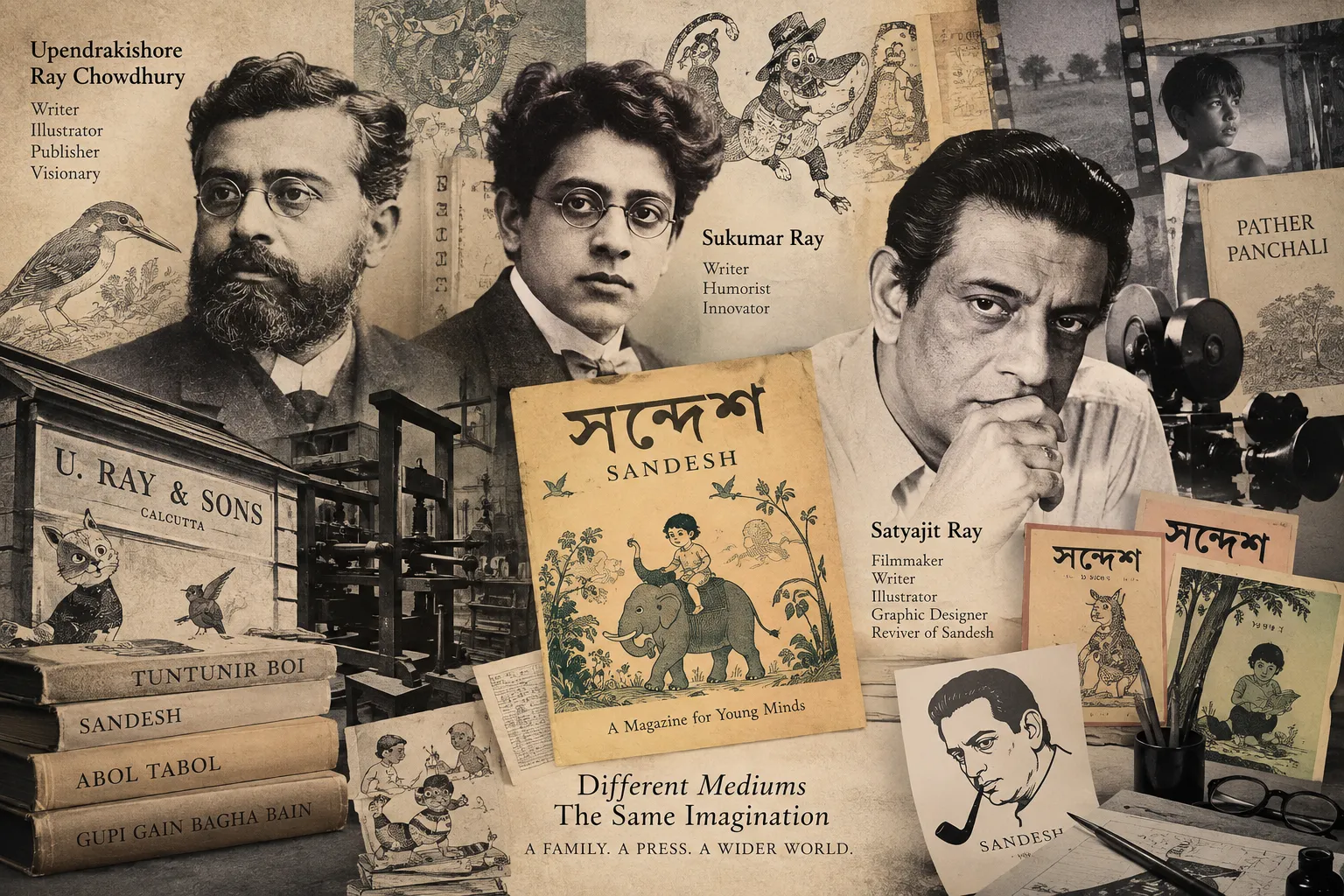
Long before Satyajit Ray became a world-famous filmmaker, his family was reshaping how Bengal read and saw. From Upendrakishore Ray Chowdhury’s pioneering U. Ray & Sons press to Sukumar Ray’s illustrations and Satyajit’s revival of Sandesh, three generations carried the same creative inheritance across printing, literature, graphic design and eventually cinema.
-
When Computers Became the Enemy
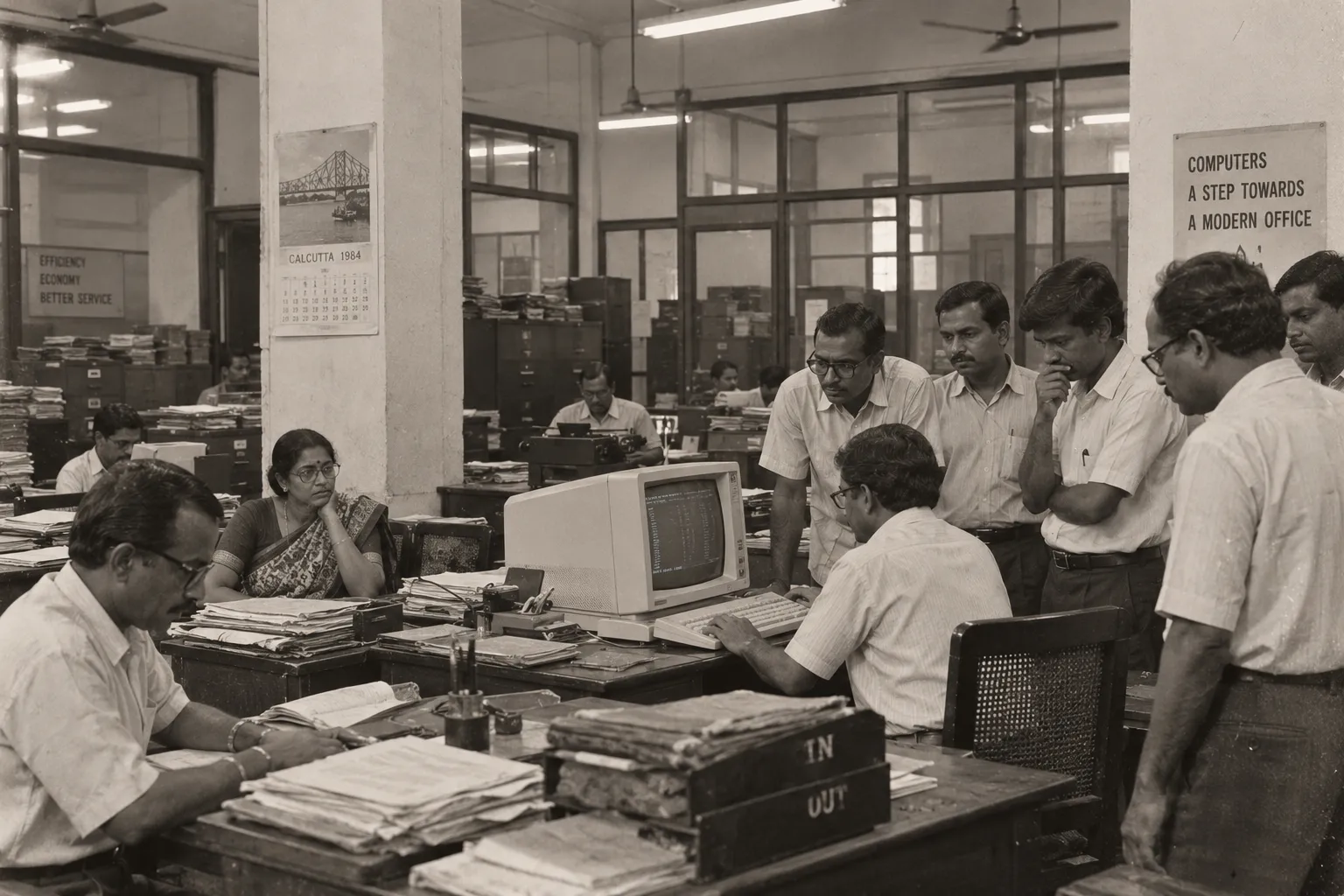
In the 1980s, computerisation became a flashpoint in Bengal’s debate over jobs, technology and the future of work. Workers feared automation could make their roles unnecessary, while employers saw greater efficiency as essential. The computer eventually became ordinary infrastructure. Today, its history offers Bengal a quieter lesson about understanding transformative technology before it becomes unavoidable.
-
The Factory Was There. The Owners Were Not.
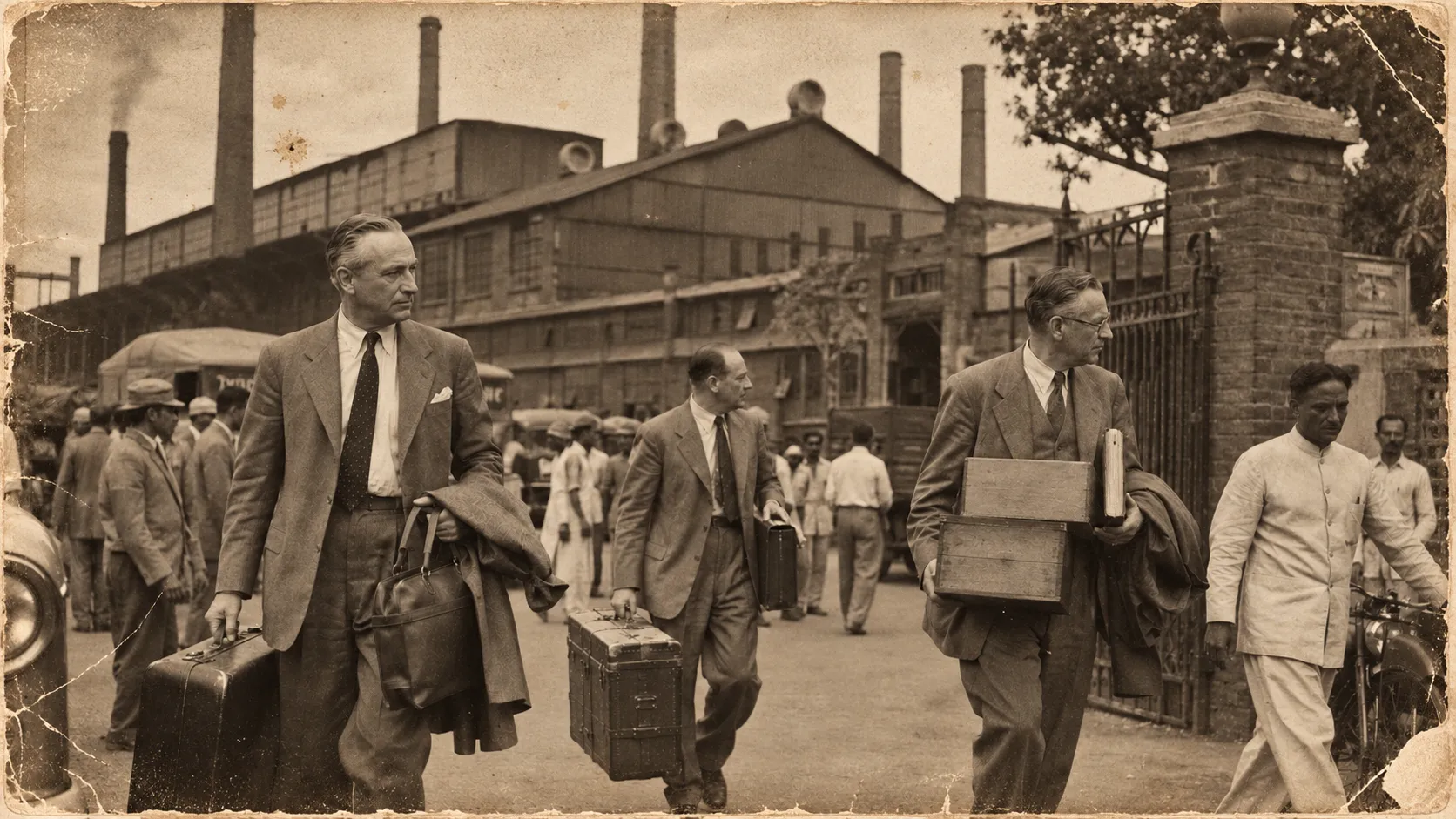
Calcutta had factories, banks, engineers and managers, yet after Independence much of Bengal’s industrial ownership began changing hands. British business houses withdrew, while Bengali professionals often remained employees rather than owners. The story of Bengal’s industrial decline is therefore also a story about capital, commercial networks and a society whose expertise did not always become ownership.
-
The Freight Policy That Changed Bengal’s Industrial Future
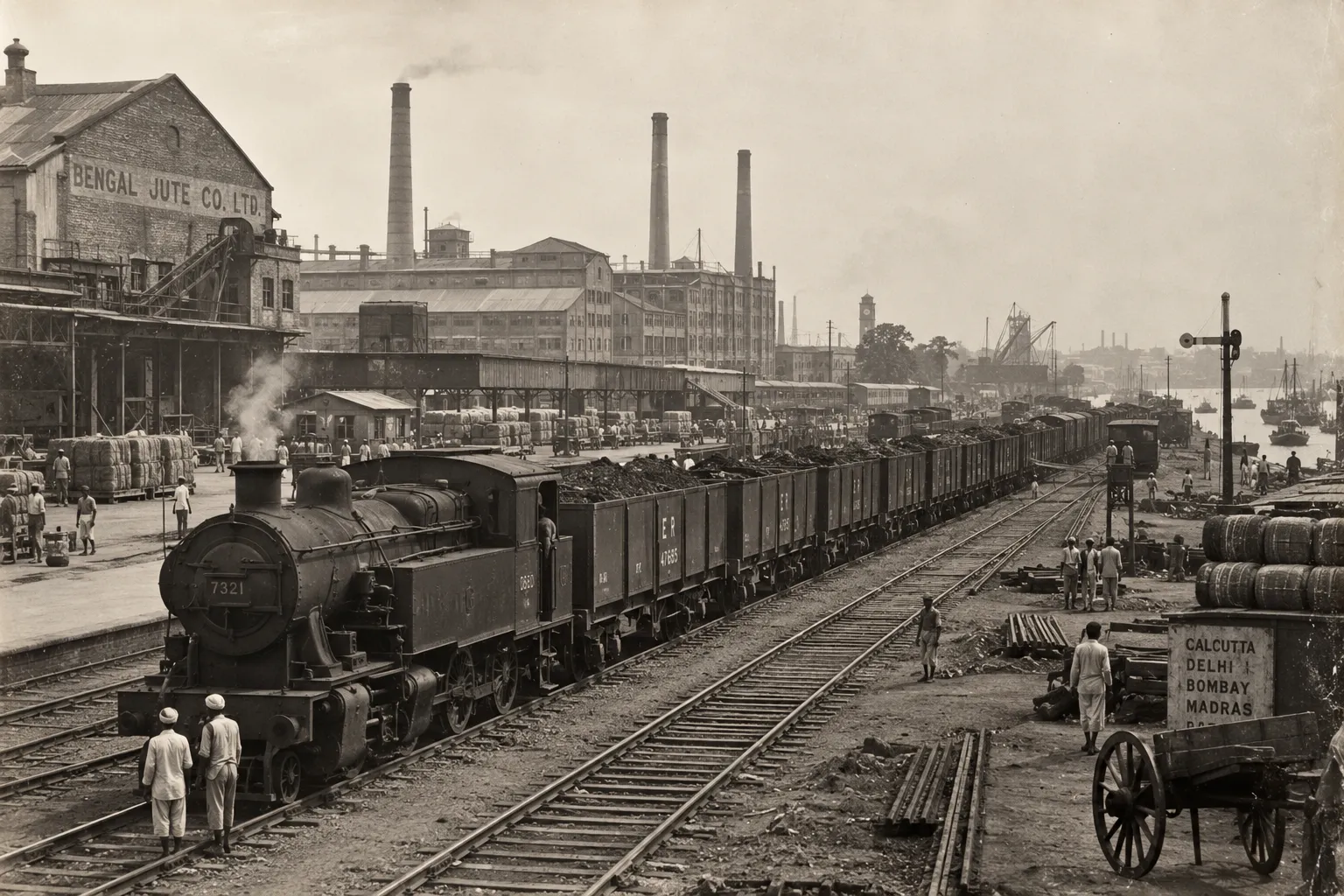
For decades, Bengal’s industrial advantage came partly from geography: coal, iron and steel were relatively close to its factories. In 1952, a national freight policy began equalising the cost of transporting key raw materials across India. The policy encouraged industrialisation elsewhere, but it also weakened one of Bengal’s most important advantages in attracting new factories and investment.
-
The Refugees Who Built a City Without Being Given One
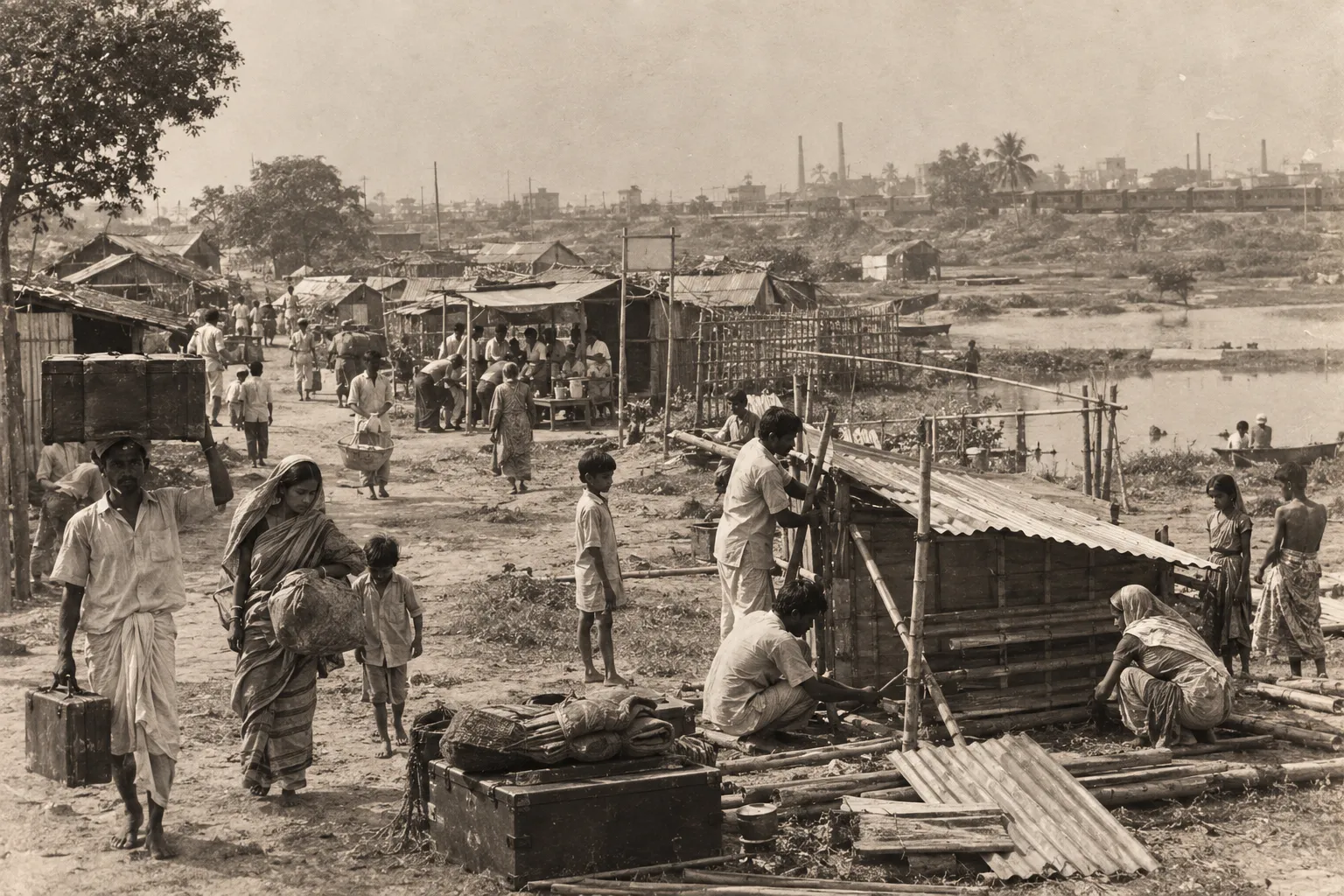
When Partition brought millions of refugees from East Bengal into West Bengal, Calcutta had neither enough housing nor a ready-made plan for their arrival. Families occupied land, built shelters and gradually created schools, markets and neighbourhoods. What began as a crisis of displacement became an extraordinary story of self-built urban life and the remaking of post-Partition Bengal.